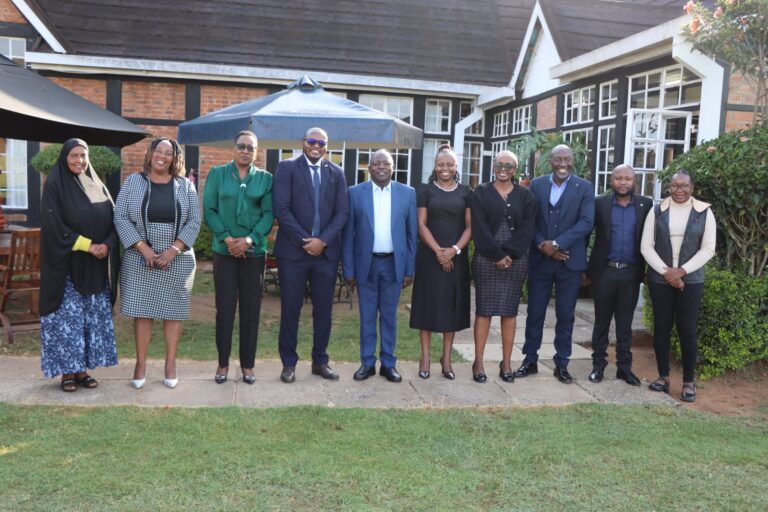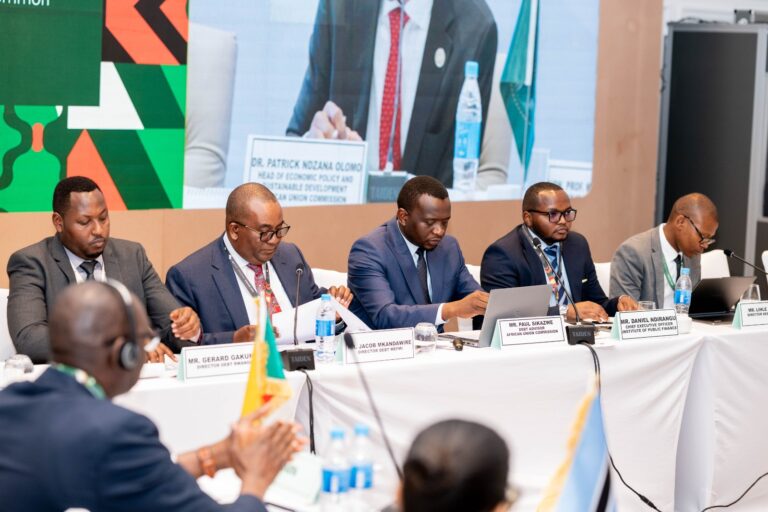
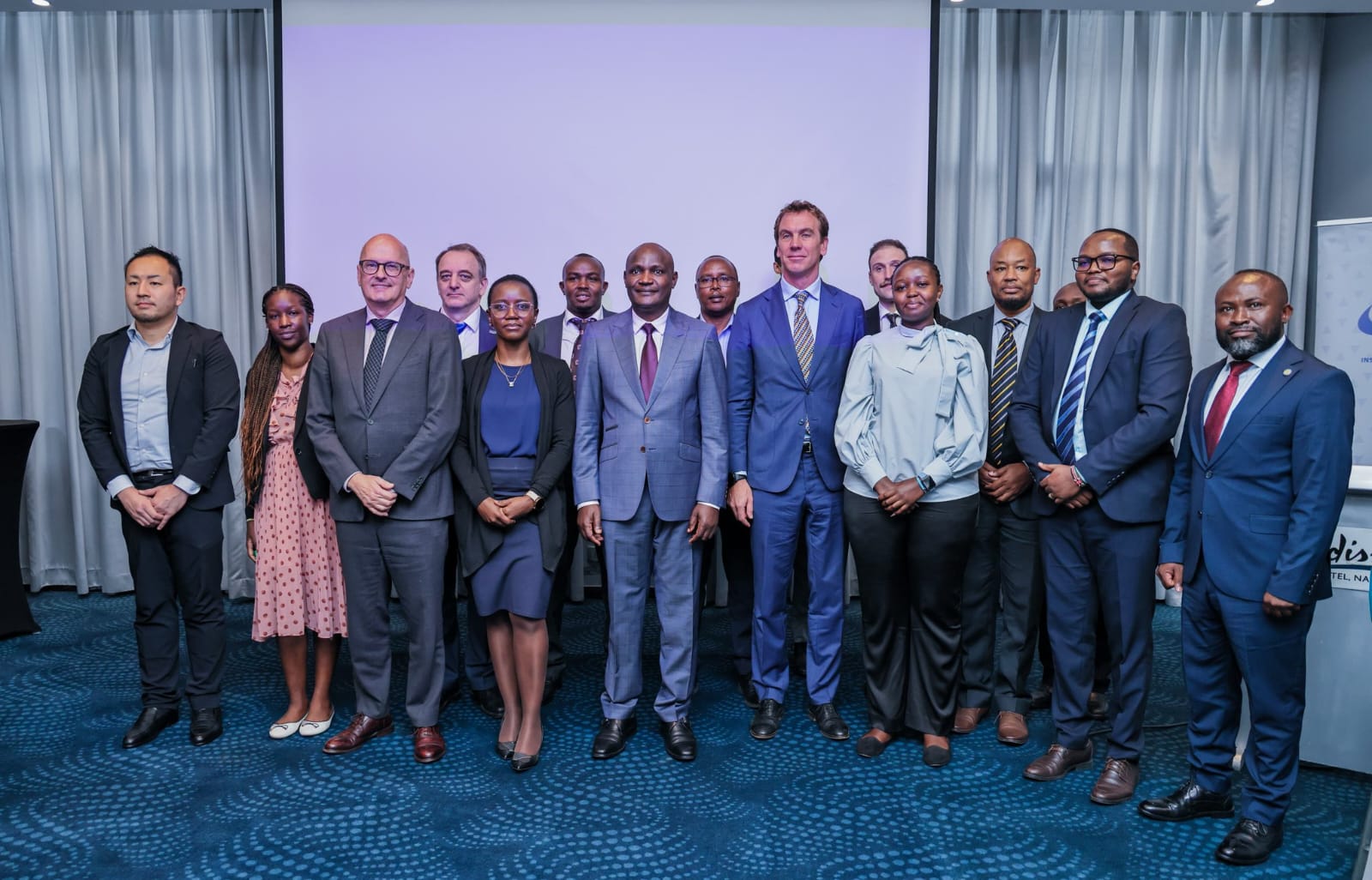
On the 4th of November, 2026, the Institute of Public Finance (IPF) joined the National Treasury led by Cabinet Secretary, FCPA John Mbadi, convening a high-level meeting in Nairobi, bringing together development partners from the Embassy of the United States, British High Commission, European Union, Japan International Cooperation Agency (JICA), German Corporation for International Cooperation (GIZ), the World Bank and International Monetary Fund (IMF) and other public finance stakeholders to advance the implementation of Electronic Government Procurement (eGP) as a key public financial management reform.
The meeting provided an opportunity for Kenya to reflect on progress made, understand government priorities, and identify areas where coordinated partner support can accelerate adoption and strengthen procurement governance across Kenya.
The Cabinet Secretary reaffirmed the Government’s commitment to accelerating the adoption of Kenya’s eGP system as a cornerstone of public financial management reform.
“The platform is already demonstrating significant progress, with more than 1,500 procuring entities onboarded, over 45,000 suppliers registered, and procurement contracts worth approximately KSh 18.3 billion processed through the system.” CS John Mbadi.
The Cabinet Secretary identified four priorities for the next phase. These include: deepening stakeholder collaboration, building institutional capacity, strengthening system security and expanding adoption to ensure sustainable implementation. Participants noted that while digitalization is central to the reform, e-GP is first and foremost a governance and public financial management intervention, aimed at improving transparency, accountability, efficiency, value for money and fiscal discipline in the use of public resources. The reform is anchored in Article 227 of the Constitution and the Public Procurement and Asset Disposal Act, 2015.
CS Mbadi further called on development partners and implementing institutions to align their support with government priorities, stressing that eGP should be viewed not merely as a digital transformation initiative but as a fundamental reform that strengthens the management of public resources, expands access to procurement opportunities, and improves service delivery outcomes for citizens.
“The progress achieved so far provides a strong foundation, but we must now consolidate these gains by expanding adoption, strengthening compliance, addressing operational challenges and ensuring that the system delivers measurable improvements in public procurement,” said the Cabinet Secretary.
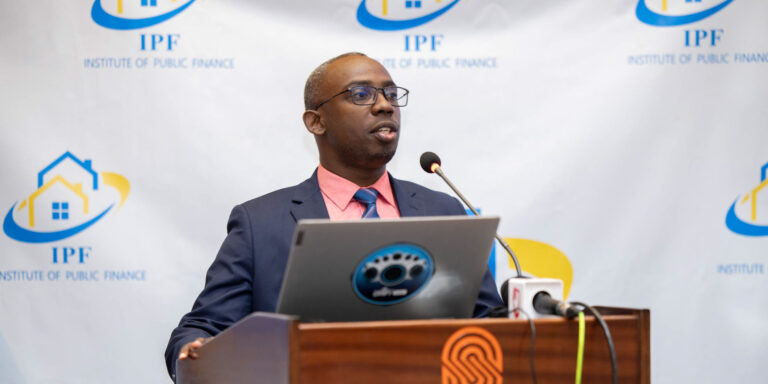
Speaking during the forum, IPF CEO Daniel Ndirangu emphasized that public procurement is the critical link between public budgets and service delivery.
“Every year, billions of shillings allocated through national and county budgets are translated into essential services such as healthcare, education, infrastructure, and social protection through procurement processes.”
Responding to the Cabinet Secretary’s call to build institutional capacity, Mr Ndirangu underlined IPF’s readiness to work with the National Treasury and other mandated institutions on a coordinated national e-GP capacity-building programme for procurement officers, evaluation committees, suppliers and oversight actors, linked to clear measures of results.
- Through its Strengthening Procurement Governance Programme, IPF reaffirmed its commitment to supporting the government’s e-GP agenda by strengthening institutional capacity, sensitizing suppliers, advancing procurement governance initiatives, and conducting evidence-based research. IPF proposed five outcomes against which the success of Kenya’s e-GP implementation should be measured Enhancing transparency and accountability through greater visibility of procurement information.
- Promoting value for money by reducing procurement inefficiencies and opportunities for waste.
- Improving procurement efficiency through streamlined processes.
- Expanding inclusivity for youth, women, persons with disabilities, and small businesses and
- Strengthening fiscal discipline by linking procurement plans to approved budgets, contract delivery, and payments.
The Deputy High Commissioner at the British High Commission in Kenya, Dr. Ed Barnett MBE, recognized that technology alone cannot deliver Kenya’s procurement transformation, highlighting the need for sustained capacity development for public institutions and suppliers. IPF called for stronger collaboration among government institutions, development partners, and accountability actors to ensure that the success of e-GP is measured not merely by system uptake, but by its contribution to more transparent, competitive, inclusive, and fiscally responsible procurement systems that deliver tangible benefits to citizens.
As the Cabinet Secretary put it, the shared goal is “a transparent, efficient and accountable public procurement system where every shilling delivers value to the people of Kenya.” IPF will continue to engage the National Treasury and development partners on a coordinated e-GP capacity-building programme and will publish further evidence on e-GP implementation.
Senior Communications and Advocacy Officer, Institute of Public Finance