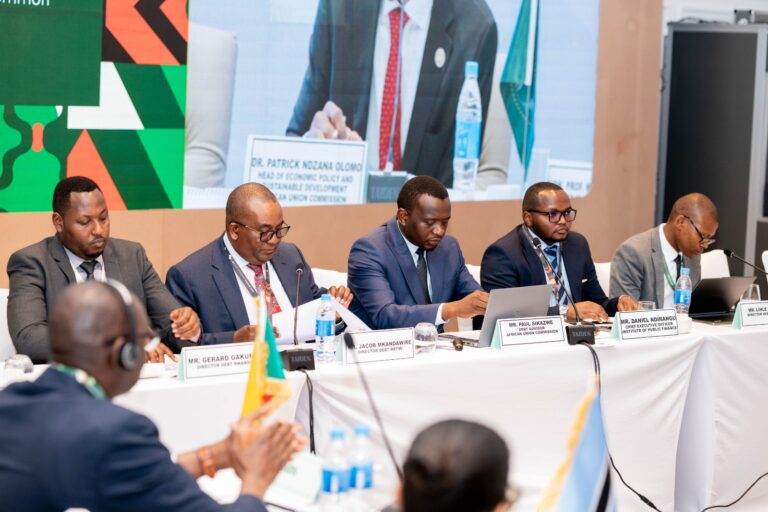
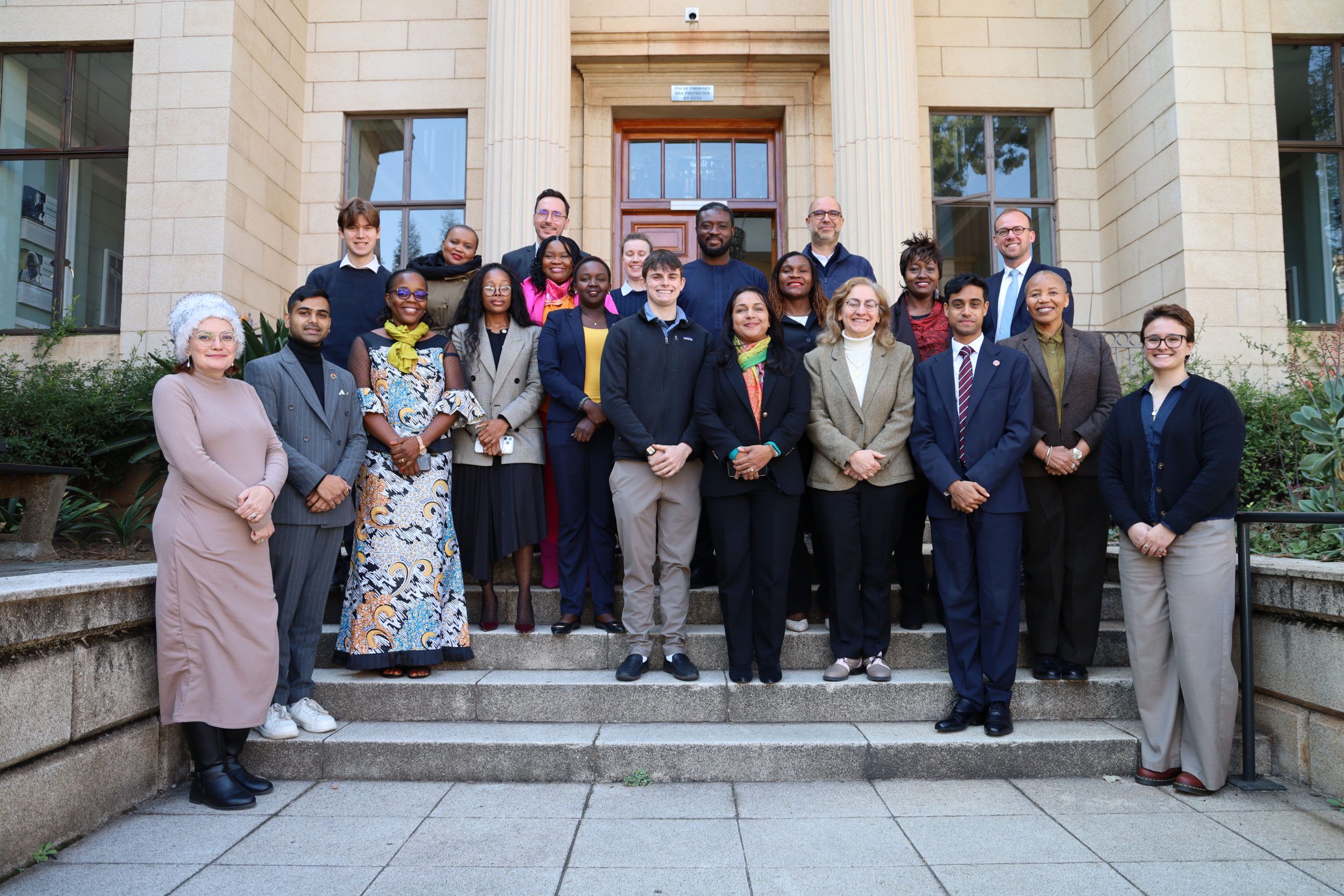
As discussions on the selection of the next United Nations Secretary-General heighten, African institutions are making a clear case that the continent should not merely react to decisions made elsewhere but should actively shape the future leadership and direction of the multilateral system. This was the central message emerging from the regional dialogue, ‘The Selection of the Next UN Secretary-General: A Regional Perspective,’ held on 9–10 July in Johannesburg. The dialogue was convened by the South African Institute of International Affairs (SAIIA), the United Nations Foundation (UNF), New York University’s Center on International Cooperation (CIC), and the Centro de Pensamiento Estratégico Internacional (CEPEI).
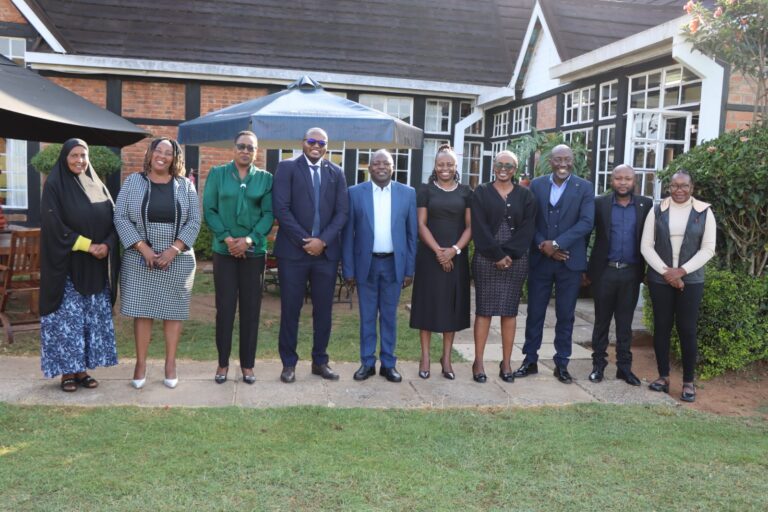
The Institute of Public Finance (IPF) has initiated its flagship program, Strategic Initiatives for Growth and Agency in Africa (SIGAA), which works to strengthen Africa’s strategic capacity to shape global economic, digital, and governance systems for the continent’s equitable and sustainable development. SIGAA, participated as a strategic policy partner, reinforcing its growing role in shaping African positions on global governance, multilateral reform and international financial architecture. This dialogue brought together leading African think tanks, policymakers, civil society organizations and governance experts to articulate a shared African perspective on the qualities, priorities and leadership needed in the UN’s next Secretary-General.
Through its growing engagement on UN governance processes and broader African policy dialogue, IPF continues to ensure that African perspectives are backed by evidence, grounded in policy analysis and reflected in global decision-making. The dialogue challenged participants to consider the deeper institutional reforms required for the UN to remain credible and effective in an increasingly complex global environment. Across two days of deliberations, five broad policy themes emerged.
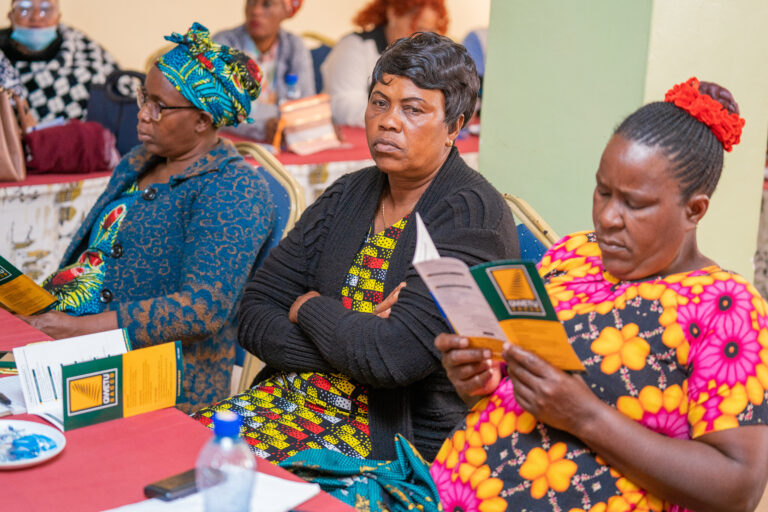
The first one was on rebuilding trust in the United Nations through delivery. Participants agreed that transparency and consultation, while important, are insufficient unless accompanied by tangible development outcomes. For many African countries, the development pillar of the UN remains the least fulfilled of its three mandates, raising important questions about how the institution delivers value to the people it serves. Young leaders participating in the dialogue challenged the organization to become more responsive, inclusive and accountable to citizens rather than appearing distant from their everyday realities.
The second theme focused on Africa’s economic agency. Participants argued that Africa’s economic transformation remains unfinished. The discussion called for a fundamental shift away from narratives that portray Africa primarily through debt, conflict and vulnerability, towards recognizing the continent as a strategic contributor to global prosperity through its natural resources, expanding markets, innovation potential and rapidly growing workforce.
The dialogue also emphasized the need for Africa to move from being a recipient of multilateral decisions to becoming a co-creator of global norms as the third discussion theme. Participants noted that Africa’s experience in building continental consensus through regional institutions positions it well to influence international agenda-setting at an earlier stage, rather than engaging only after decisions have already been shaped.
The fourth looked at how reforming the UN should extend beyond the long-standing debate on Security Council reforms. Participants identified several areas where Africa can exercise greater influence, including strengthening the role of the Economic and Social Council (ECOSOC), advancing implementation of Resolution 2719 on financing African-led peace support operations, reforming the international financial architecture, and shaping global climate finance and loss and damage mechanisms. The dialogue equally underscored that accountability should apply to both global and continental institutions, including the African Union.
Finally, participants stressed that accountability within the multilateral system ultimately rests with member states. The next Secretary-General, they argued, should strengthen mechanisms that treat member states as genuine shareholders with clearly defined responsibilities and measurable commitments, while avoiding governance arrangements that disproportionately privilege the interests of individual countries.
Reflecting on the dialogue, Ruth Kendagor, Director of Global Partnerships at the Institute of Public Finance, observed that the conversation signaled an important shift in Africa’s engagement with global governance.
“What came through in Johannesburg is that Africa is done being a subject of this process and is stepping into it as a shareholder. The five arguments that anchored this dialogue, on trust, economic agency, co-creation, institutional scrutiny and accountability, are not abstract. They are a working brief for the next Secretary-General, and for Africa’s own institutions too.”
For IPF, participation in the dialogue reflects its broader commitment to strengthening Africa’s voice in global governance through evidence-based policy engagement. The Institute continues to work with African and international partners to advance reforms that strengthen multilateral institutions while ensuring they respond more effectively to the priorities of African countries.
This news post has been authored by Meshack Acholla, Senior Communications & Advocacy Officer at the Institute of Public Finance