“Nobody ever taught us this.”
That was a recurring observation during the training sessions the Institute of Public Finance (IPF) conducted with health facility in-charges in Nakuru and Laikipia counties. The participants, predominantly nurses and clinical officers managing dispensaries and health centres, are at the frontline of delivering primary healthcare. They are accustomed to making critical clinical decisions, from managing emergency deliveries to treating children with malaria. However, managing public finances is a responsibility for which many have never received formal training.
This gap is becoming increasingly significant as health facilities assume greater responsibility for managing the resources needed to deliver essential healthcare services.
More funding, more responsibilities
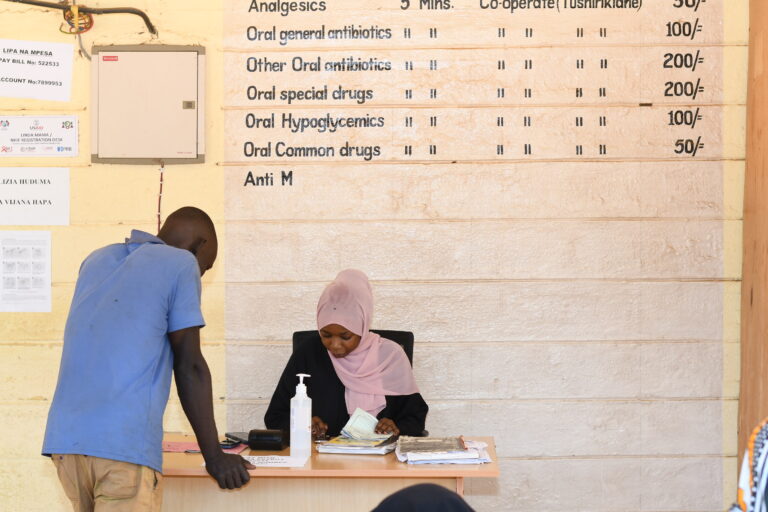
Previously, level 2 and 3 facilities handled very little revenue. Most of what came in was DANIDA funding: modest amounts, with clear rules and limited room for error. The Facilities Improvement Financing (FIF) Act, 2023 changed this. It allows public health facilities to retain the revenue they generate in their own accounts instead of sending it to the County Revenue Fund (CRF). A major and growing share of that revenue now comes from the Social Health Authority (SHA), which reimburses facilities for the services they provide. For primary healthcare, this is a real opportunity. Dispensaries and health centers can buy their own supplies, carry out repairs and respond faster to what their communities need.
Greater financial autonomy comes with greater responsibility. Every shilling must be planned for, properly authorized, spent in accordance with public finance management rules and accounted for. The person expected to do all of that is usually the Facility In-charge, often with no accountant to lean on. In some facilities, the In-charge is the only staff member on site: nurse, pharmacist, accountant and records officer all at once.
Why, then, are there no staff to play a very critical accounting role at the facilities, especially since revenue and expenditure decisions are involved? The reality is that county health budgets are already stretched and deploying a trained accountant to every dispensary and health center is simply not affordable. As a result, financial management has become another responsibility for facility In-charges to navigate alongside their clinical duties and administrative obligations.
Building capacity through collaboration
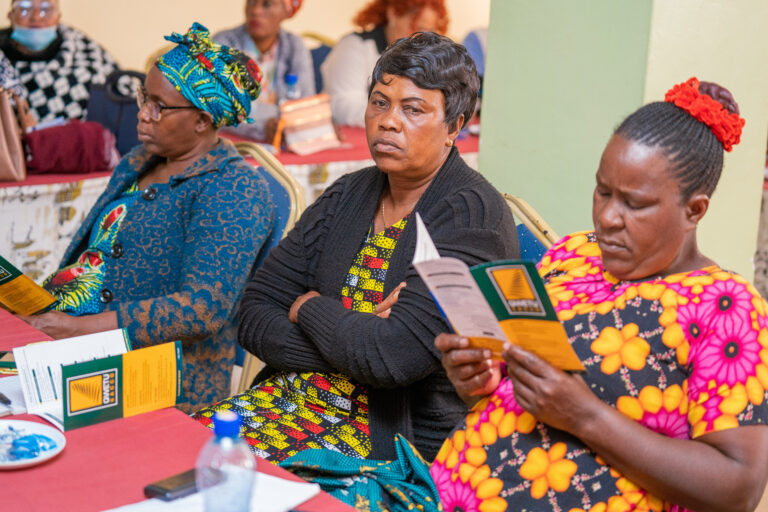
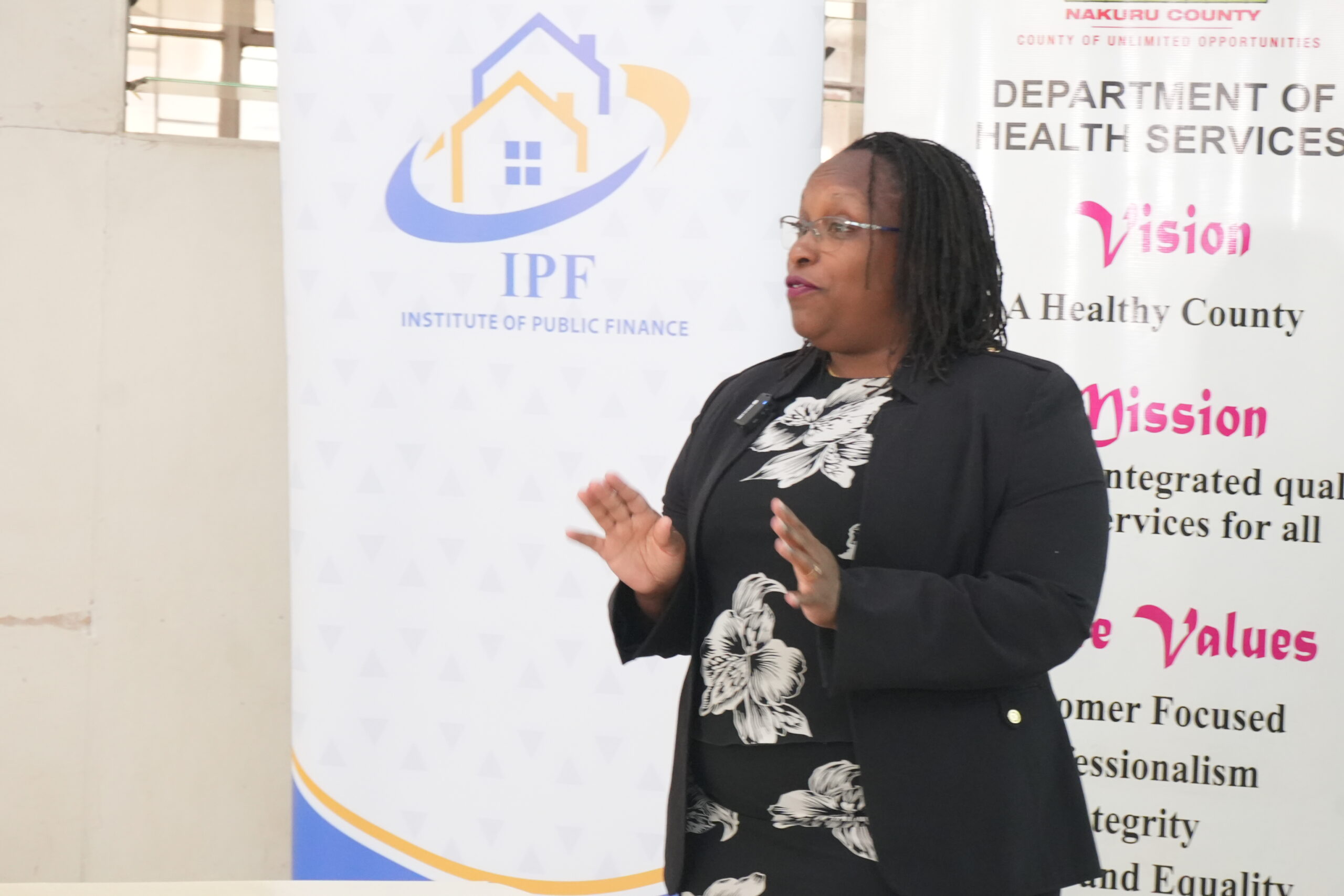
To close these gaps, IPF, through its Primary Health Care project, trained facility-in-charges in two Primary Care Networks (PCNs): Nakuru West hub in Nakuru County and Oljaet hub in Laikipia County. These trainings were delivered alongside county staff who were involved in the development of the modules. The first module, used in the trainings, focuses on Authority to Incur Expenditure (AIE), a critical part of ensuring that public funds are properly authorized and used for their intended purposes.
Developing the module involved months of deliberate collaboration with sub-county and county accountants in both counties. We believe co-ownership matters and is very essential to embed sustainability. It means the content reflects how each county actually works and the accountants who helped develop it can keep supporting iIn-charges long after the workshops end. So far, participants have equipped themselves with practical skills and knowledge on how to request an AIE, how to prepare payment vouchers and how to keep cash books and vote books.
Addressing a long-standing capacity gap
What struck us most was that, for nearly every participant, this was their first-ever training on AIEs. Most have learnt by trial and error, borrowing templates or calling colleagues for help. That is how public finance management rules end up being missed. Small mistakes become audit queries, funds sit unspent and dedicated health workers end up anxious about money they are meant to use for patients.
Taking the lessons forward
IPF intends to continue building the In-charges’ skills in other critical areas of facility finance, working closely with the county government. The need goes well beyond the facilities we have reached so far. Many more dispensaries and health centers in Nakuru and Laikipia as well as other counties across Kenya, face the same gap. We invite county governments, partners and others in the health sector to join us in scaling up these facilities, so that every facility-in-charge is well-equipped to manage public money.
This blog has been authored by Gladys Njeri Wachira, Research Analyst, Health Financing Unit at the Institute of Public Finance
Watch videos from Nakuru and Laikipia counties with experiences from health care workers on the AIE trainings: