Devolution gave County Governments the constitutional power to raise their own source revenue through property taxes, entertainment taxes, and service fees. But more than a decade on, most counties are still collecting far less than they could. Studies by the Commission on Revenue Allocation (CRA) and the National Treasury point to the same underlying problem: counties lack the administrative, institutional, and technical capacity to forecast, plan for, and enforce collection of their Own Source Revenue (OSR).
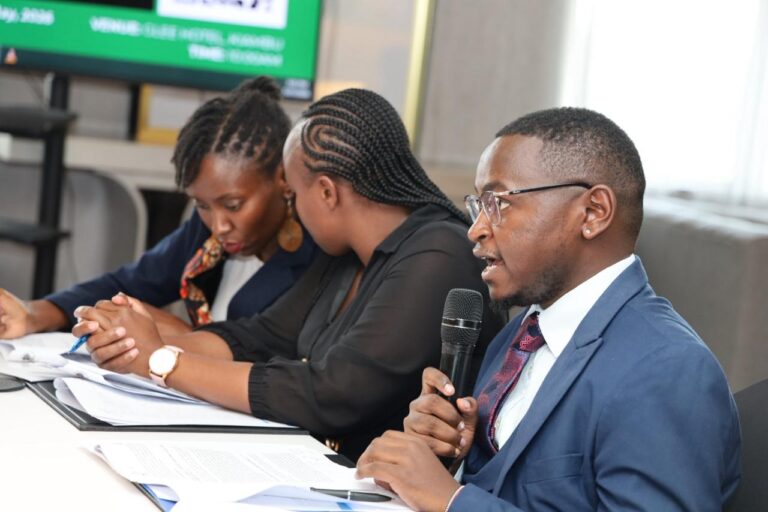
Between 2023 and 2025, the Institute of Public Finance (IPF) supported counties to strengthen their revenue strategies and improve revenue collection. In partnership with the Commission on Revenue Allocation (CRA), IPF trained more than 110 revenue administration officers from Nairobi City, Laikipia and Kitui counties in revenue forecasting, and equipped an additional 50 officers with policy development skills. A key milestone of this technical assistance was the development of Revenue Enhancement Strategies (RES) for Laikipia and Kitui Counties. These strategies provided policy roadmaps that identified high-yield revenue streams and the reforms needed to increase collections.
The results were measurable. Kitui County posted 9 percent growth in OSR in 2023/24, and Nairobi City County achieved 22 percent growth over the same period. Laikipia County recorded 17 percent growth in OSR in the 2024/25 financial year after implementing its strategy.
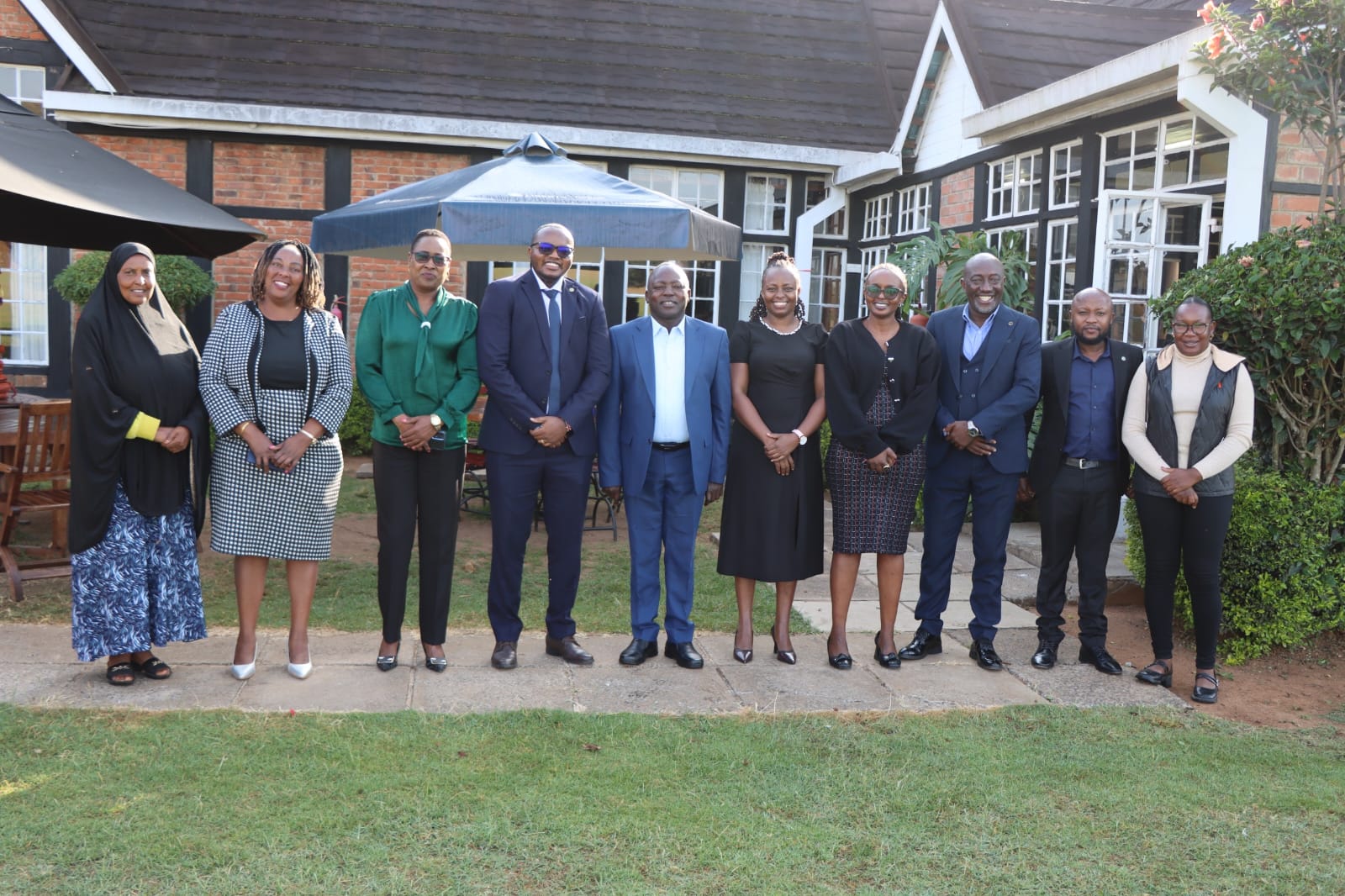
Additionally, for Laikipia County, the gains recorded in the first phase of the IPF technical assistance carried into FY 2025/26, with the county now surpassing its OSR target outright. Governor Joshua Irungu, EGH, recently announced that the county collected over KSh 1.365 billion in the just-ended financial year which is more than KSh 15 million above target. Laikipia has continued a steady upward trend from KSh 902 million in FY 2021/22, through KSh 1.004 billion, KSh 1.101 billion, and KSh 1.236 billion over the three years since. The Governor attributed the milestone to sustained stakeholder engagement, investment in revenue automation and integrated digital systems, and improving taxpayer compliance. This approach also had a ripple effect: Baringo County has since expressed interest in developing its own Revenue Enhancement Strategy after observing Laikipia’s progress.
Despite the progress, there has been notable setbacks. For instance, leadership changes in the counties slowed engagement, delays in a CRA Model Tariffs and Pricing policy required realignment of activities, and some counties lacked reliable revenue databases, making it harder to set accurate targets. IPF’s observation is that technical skills alone are not enough. For counties to unlock their OSR potential, sustained political commitment from the top leadership is equally critical to embedding reform.
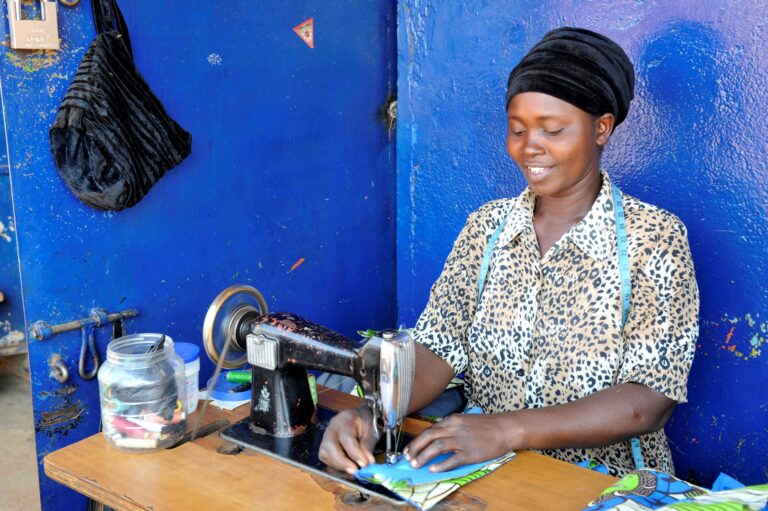
One key lesson for IPF in its project design was that no consideration had been given to how revenue reforms affect women during the first phase of implementation. Women traders are a key demographic in the county revenue ecosystem and significant contributors for counties when they collect market fees, trade licenses, produce cess, and other informal-sector levies. Evidence from CRA’s own gender-responsive assessments, and from IPF’s recent study in Nairobi, shows that county revenue systems remain largely ‘gender-blind’ with uniform fees and centralized payment systems that impose disproportionate compliance costs on women running small, informal enterprises. This is what IPF seeks to change in the second phase of our partnership with the counties.
As IPF begins its second phase implementation, we will support Laikipia and Kitui Counties to implement their existing Revenue Enhancement Strategies while deliberately integrating Women’s Economic Empowerment (WEE) into the process. This will involve applying CRA’s Gender Assessment Tool, reforming market fees and payment systems, and collaboratively work with Kitui County to develop a gender-responsive Tariffs and Pricing Policy, building on similar work already done in Laikipia County. The underlying premise is straightforward: reforming the revenue streams where women are most economically active can simultaneously reduce compliance barriers for women traders and expand the county’s tax base, making local revenue systems both fairer and more effective at the same time.
This news post has been authored by Meshack Acholla, Senior Communications & Advocacy Officer, Institute of Public Finance