The Institute of Public Finance (IPF) joined African policymakers, development partners and financial experts at the African Union Dialogue on Debt Sustainability and Reform in Harare, Zimbabwe, to advance practical reforms that strengthen Africa’s debt architecture, enhance financial resilience and accelerate implementation of the Common African Position on Debt.
As African countries continue to grapple with rising debt vulnerabilities, tightening fiscal space and increasingly complex financing conditions, the African Union Dialogue on Debt Sustainability and Reform provided a timely platform to chart a more coordinated and sustainable path forward. The discussions reflected a growing recognition that Africa’s debt challenge is not only about reducing debt levels. It is about building an African-led debt architecture that strengthens resilience, improves access to affordable finance and gives the continent a stronger voice in global debt governance.
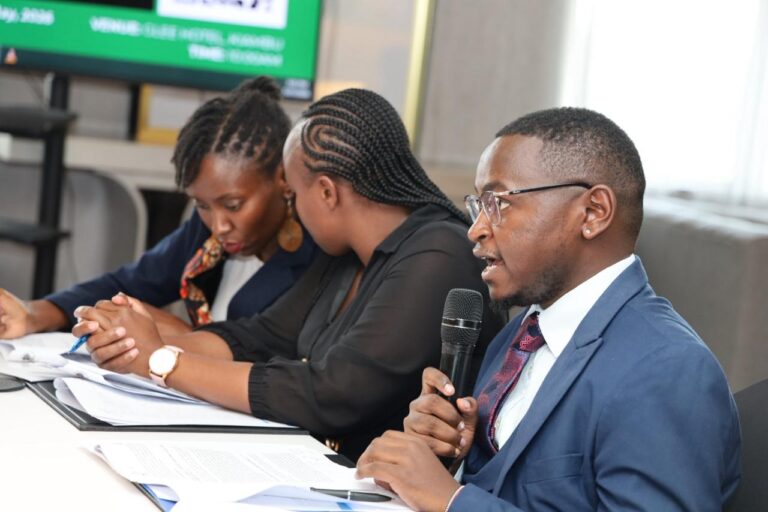
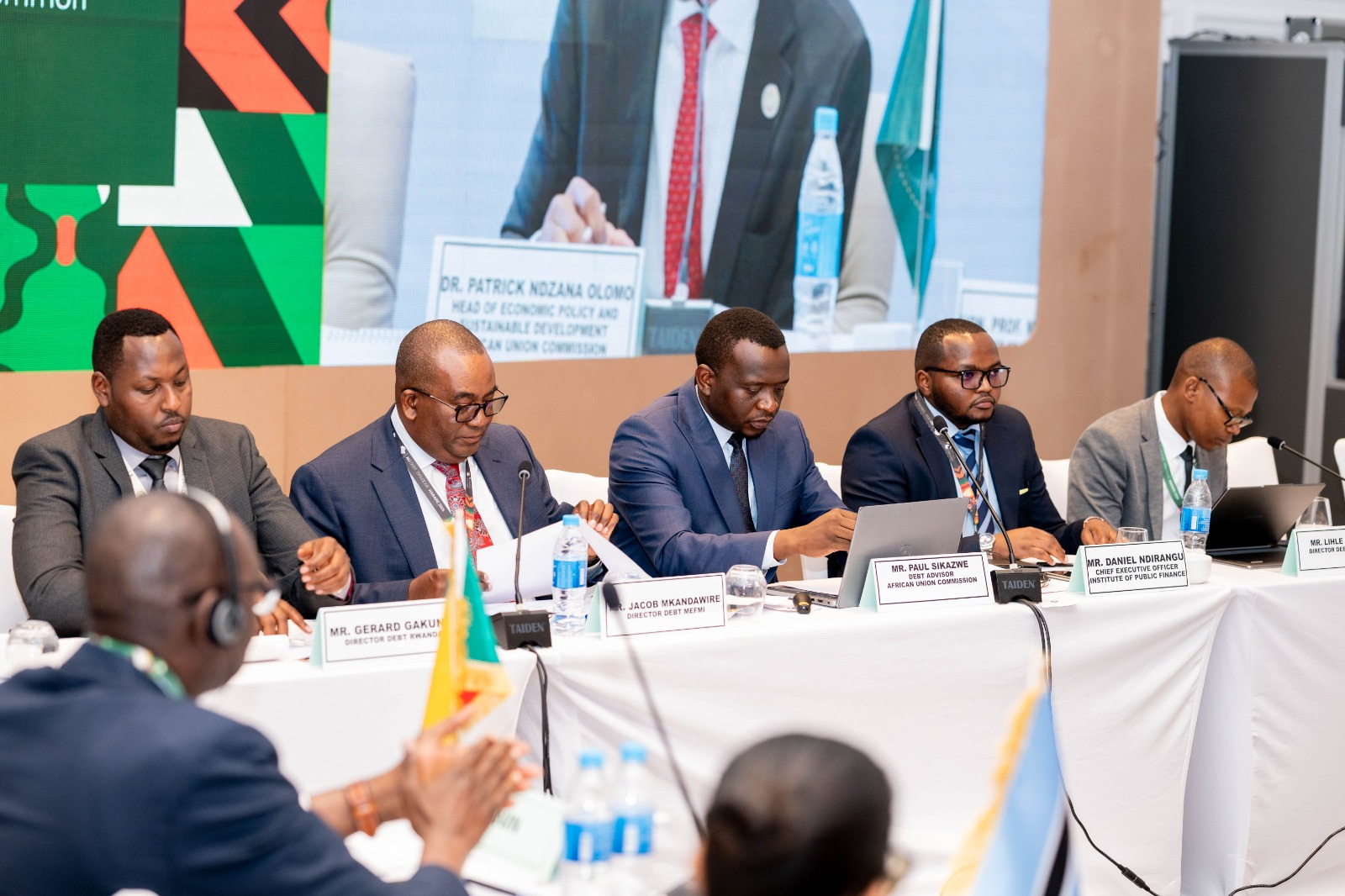
Representing the Institute of Public Finance, the Chief Executive Officer, Mr. Daniel Ndirangu participated in the high-level session on implementation modalities of the Common African Position (CAP) on Debt, where discussions centred on moving beyond policy commitments towards practical implementation.
“The Common African Position on Debt provides Africa with a unique opportunity to negotiate with one voice on debt issues. The challenge before us is no longer developing policy frameworks, but establishing the institutions, governance arrangements and accountability mechanisms needed to translate this shared vision into measurable outcomes.” Mr. Ndirangu, Chief Executive Officer, Institute of Public Finance
The session underscored that implementing the CAP will require clear institutional ownership, stronger coordination among African institutions and sustained political commitment. Participants highlighted the need for an implementation protocol that defines responsibilities across Member States, the African Union Commission and regional institutions, supported by measurable milestones and monitoring frameworks.
A key proposal emerging from the dialogue was the establishment of an African Borrowers’ Platform to strengthen coordination among sovereign borrowers. Such a platform would enable African countries to exchange knowledge, coordinate engagement with creditors and international financial institutions, and strengthen Africa’s collective bargaining position in debt negotiations. Complementing this would be stronger linkages with the African Debt Management Monitoring Mechanism to improve debt transparency, peer learning and evidence-based policymaking across the continent.
The Institute also contributed to discussions on the Operationalization of the African Financing Stability Mechanism (AFSM): Strengthening Africa’s Financial Resilience and Liquidity Support Framework, where the Director, Global Partnerships, Ruth Kendagor emphasized the importance of building an effective African financial safety net.
“The African Financing Stability Mechanism has the potential to transform Africa’s financial resilience by providing timely liquidity and sovereign refinancing support during periods of economic stress. Its success, however, will depend on adequate capitalization, strong governance, sound risk management and its ability to leverage capital markets while remaining firmly anchored in African priorities.” Highlighted Ruth Kendagor, Director, Global Partnerships
Discussions on the AFSM focused on ensuring that the mechanism is sufficiently capitalized to respond to future shocks while maintaining strong creditworthiness. Participants explored financing models capable of supporting annual sovereign refinancing needs while balancing African ownership with the financial strength needed to attract investment and achieve a high credit rating. Equally important was ensuring that the AFSM complements existing continental institutions rather than duplicating them, creating a coherent ecosystem for debt management, liquidity support and financial stability.
Across both sessions, one message emerged clearly: Africa’s debt reform agenda must move beyond crisis response towards institutional transformation. Delivering sustainable debt outcomes will require stronger domestic resource mobilization, enhanced debt transparency, coordinated engagement with creditors and African-led financial institutions capable of providing credible alternatives during periods of market volatility.
For the Institute of Public Finance, these discussions reaffirm that evidence-based policy, institutional innovation and regional cooperation remain central to achieving debt sustainability and protecting development gains. IPF will continue to support governments, regional institutions and development partners through research, policy dialogue and technical assistance that advances sound public finance management across the continent.
The momentum generated in Harare must now translate into implementation. Operationalizing the Common African Position on Debt requires establishing the governance structures that will sustain collective action, including an African Borrowers’ Platform, stronger debt monitoring and accountability mechanisms, and the rapid operationalization of the African Financing Stability Mechanism. Together, these reforms can lay the foundation for a more resilient African debt architecture that strengthens the continent’s negotiating voice, expands access to affordable financing and safeguards long-term economic transformation.
This news post has been authored by Meshack Acholla, Senior Communications & Advocacy Officer, Institute of Public Finance