Over the past decade, Kenya’s headline macroeconomic indicators suggest stability and resilience, but sustained GDP growth has not translated into improved living standards. Although GDP growth has averaged about 4–6% over the past decade, persistently high poverty and unemployment alongside decreasing real household purchasing power show that economic growth is not creating enough productive and well-paying jobs.
This disconnect reflects a consumption-driven growth model that has failed to deliver structural transformation. Labour has not shifted into higher-productivity sectors and formal employment has struggled to keep pace with labour force growth. Examples from around the world suggest that a different economic model is needed.
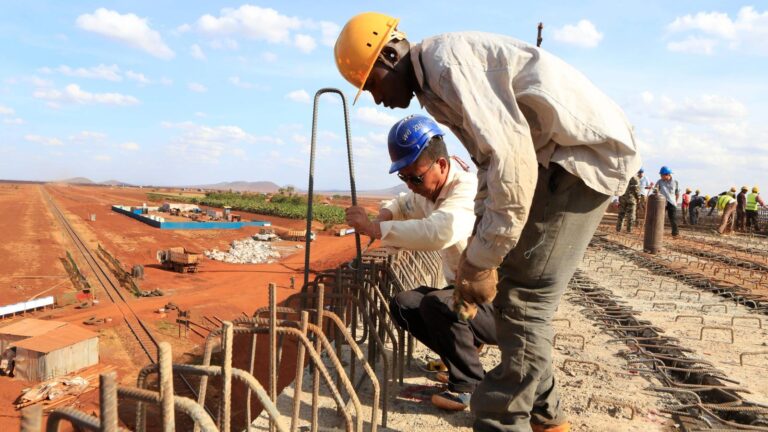
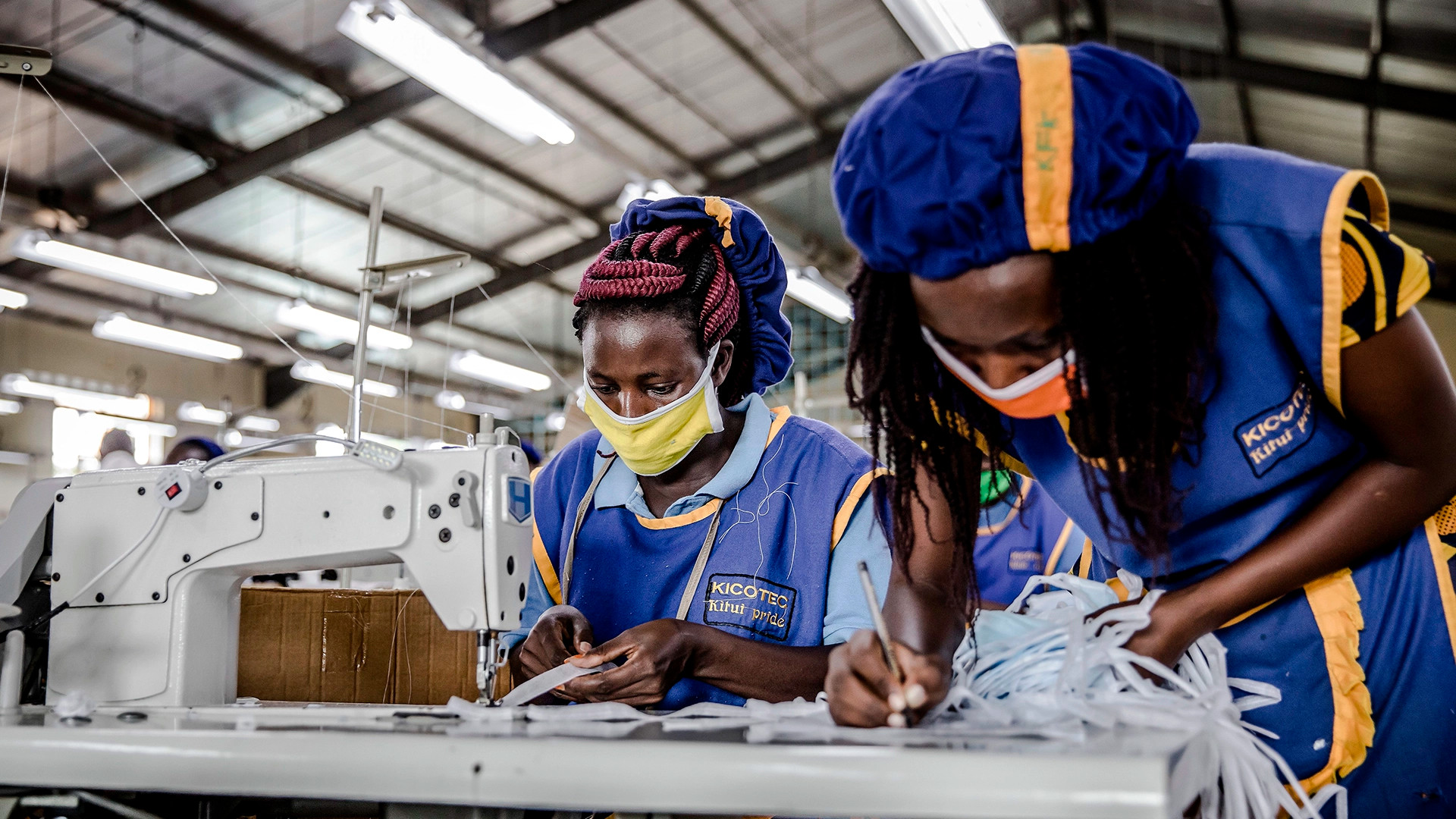
One alternative to consumption-led growth is a strategy focused on labour-intensive manufacturing supported by coherent industrial policy, reliable supply chains and strong trade and infrastructure platforms. Countries such as Bangladesh, Vietnam and Indonesia expanded textiles and electronics through export processing zones, stable policies and integrated value chains creating millions of jobs and boosting exports.
However, other models from around the world, such as India, and to some extent other parts of Africa, show that there are also service-led paths to higher productivity and structural transformation. A variety of service sectors such as ICT-enabled services, tourism and transport show features typically linked to manufacturing like tradability, economies of scale and prospects for learning and technological advancements. These “industries without smokestacks” offer a different route for structural transformation in economies like Kenya where manufacturing growth has been limited.
In Kenya, manufacturing has underperformed despite sustained policy attention and public investment. The sector contributes only 7.3% of GDP and employs about 369,200 formal workers. Kenya’s industrial policy has combined domestic value-addition objectives with export-oriented manufacturing instruments but implementation has often been fragmented across multiple policy frameworks and institutions. State-supported firms such as Rivatex were intended to revive domestic textile production while Export Processing Zones and Special Economic Zones were established to attract export-oriented manufacturing investment under preferential trade arrangements such as the African Growth and Opportunity Act. However, the existence of these instruments has not translated into sustained growth in manufacturing value addition or employment as overlapping mandates, policy inconsistencies and weak coordination across implementing agencies have diluted their overall impact on industrial development.
While manufacturing has struggled, Kenya does have a growing comparative advantage in tradable services which already account for a significant share of export earnings. Services such as ICT, transport and finance represented about 38% of total exports in 2023, supported by expanding digital infrastructure and a relatively skilled workforce placing Kenya closer to the services-oriented trajectory seen in India highlighting the possibility of alternative pathways to structural transformation. Tradable services require less physical capital than traditional manufacturing, making them an attractive pathway for Kenya’s faster integration into global markets.
The global expansion of digitally deliverable services including business process outsourcing (BPO) and IT-enabled services presents a major opportunity for Kenya to scale tradable digital services. Software development, customer support and digital marketing can be delivered remotely and experiences from India and the Philippines show that investing in digital skills and telecommunications can transform these services into major sources of employment and foreign exchange. Kenya has already built a solid base with fibre-optic expansion and a lively tech ecosystem. Furthermore, the country’s large number of skilled, English-speaking jobless individuals boosts its supply of digital workers to match the increased demand for remote work. Additional expansion in global business services, remote software work and aligning education with international requirements could enable more tertiary-educated youth to participate in tradable services. This would support a dual-sector export strategy alongside manufacturing.
Kenya’s growth paradox highlights a disconnect between GDP growth and its ability to generate income, emphasizing the need to focus more on labour-intensive manufacturing and exportable services. The current reliance on consumption has provided resilience but has not caused fundamental structural change. This implies a need to reorient policy toward export-led production including strengthening the performance of Export Processing Zones and Special Economic Zones where investment has grown, but employment creation and integration with the domestic economy have remained limited. Attracting efficiency-seeking foreign direct investment into labour-intensive value chains and expanding investments in digital infrastructure and human capital to support the growth of tradable services would help align growth with job creation. Shifting toward a dual-sector strategy centred on labour-intensive manufacturing and tradable services is therefore essential for inclusive growth.
This blog has been authored by Vincent Kipkemoi, Research Assistant at the Institute of Public Finance