Despite economic progress, millions of Kenyans remain trapped in poverty and excluded from the benefits of growth. More than 3.6 million people live in extreme poverty, unable to afford even the most basic food needs, while the link between economic growth and poverty reduction continues to weaken.
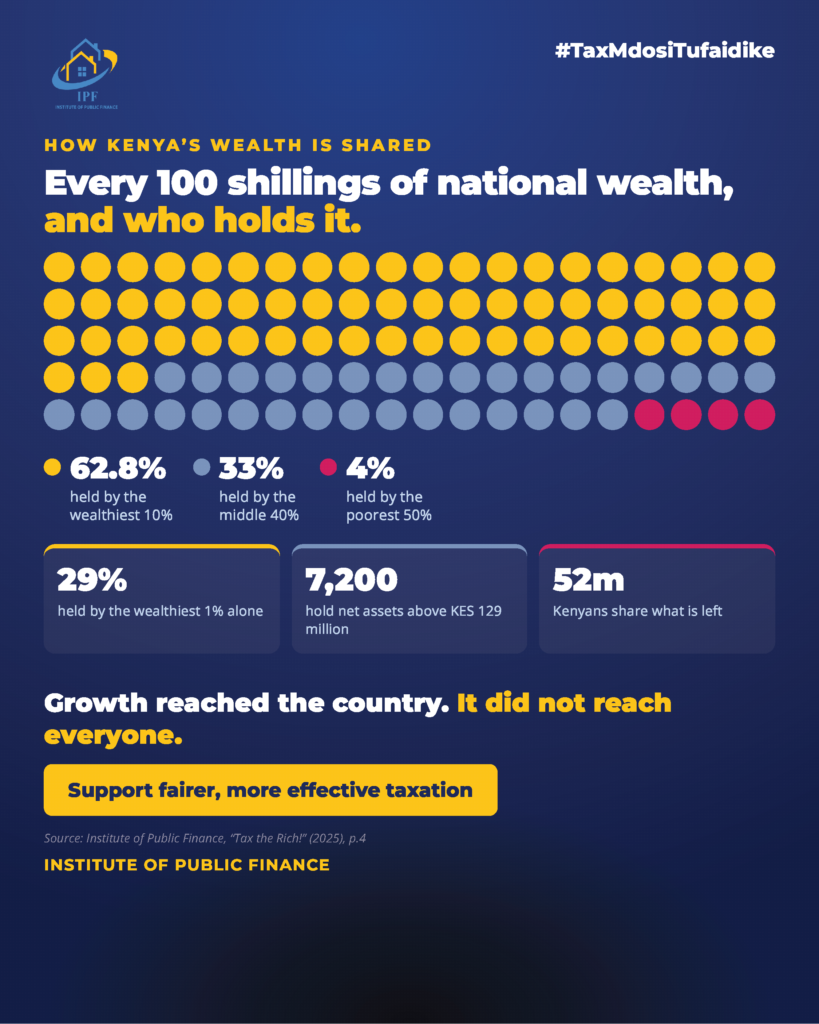
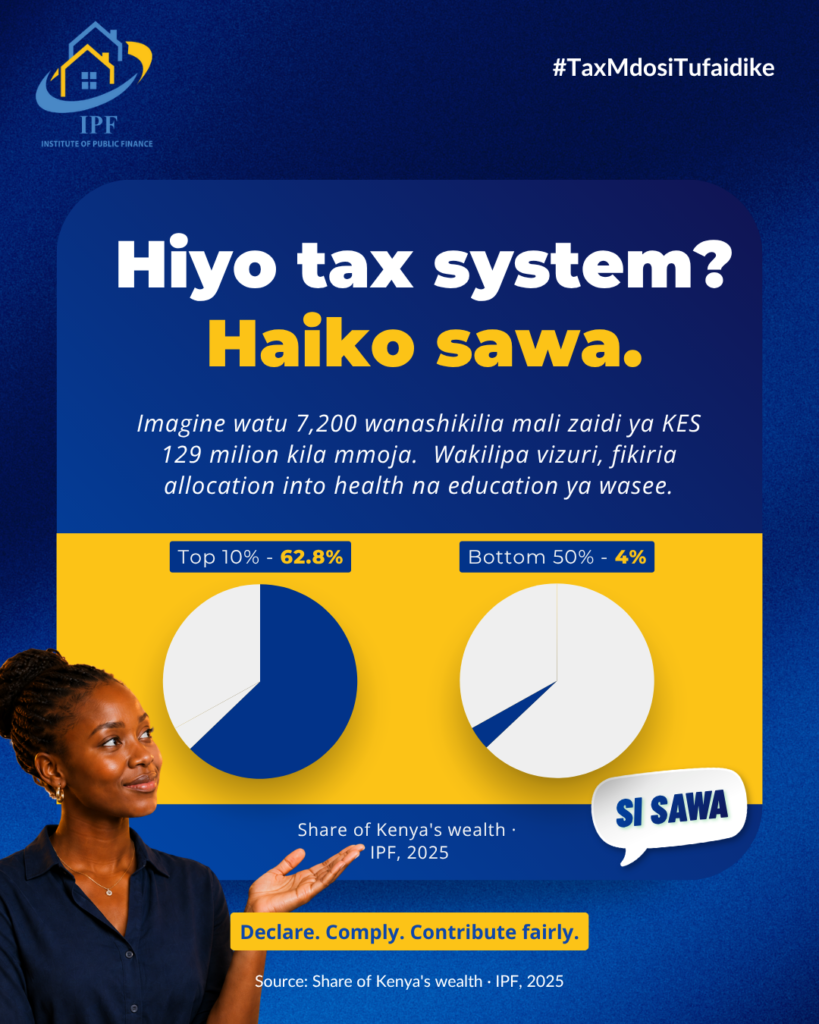
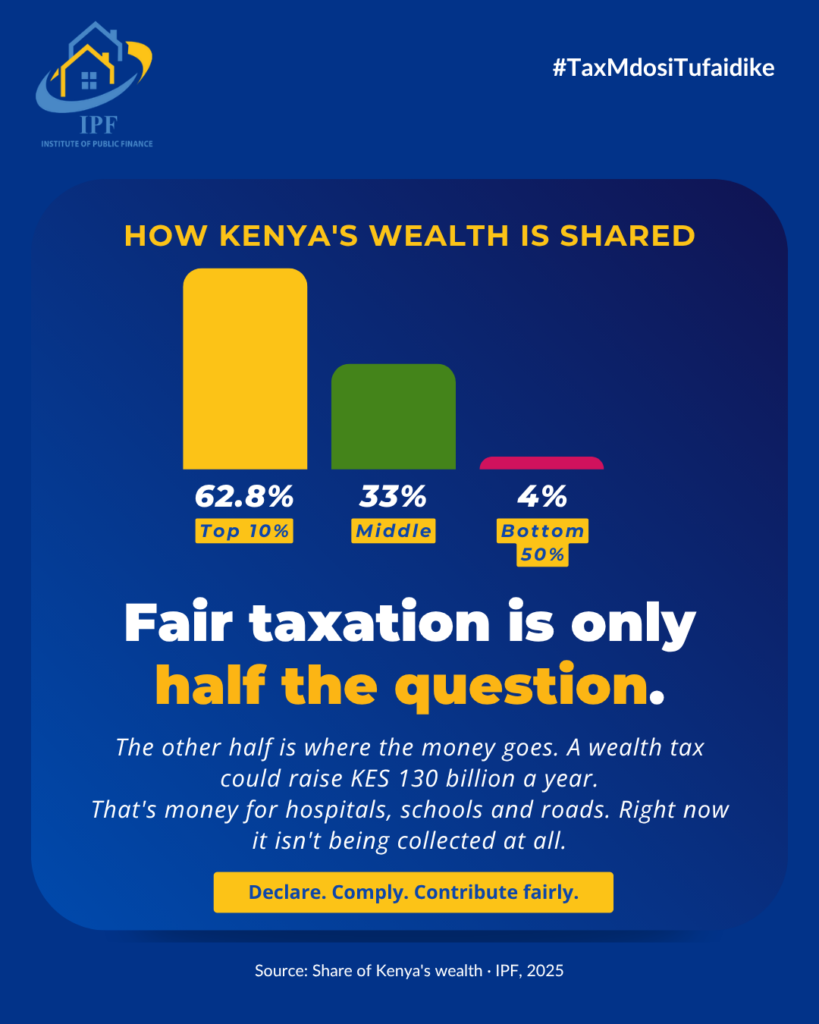
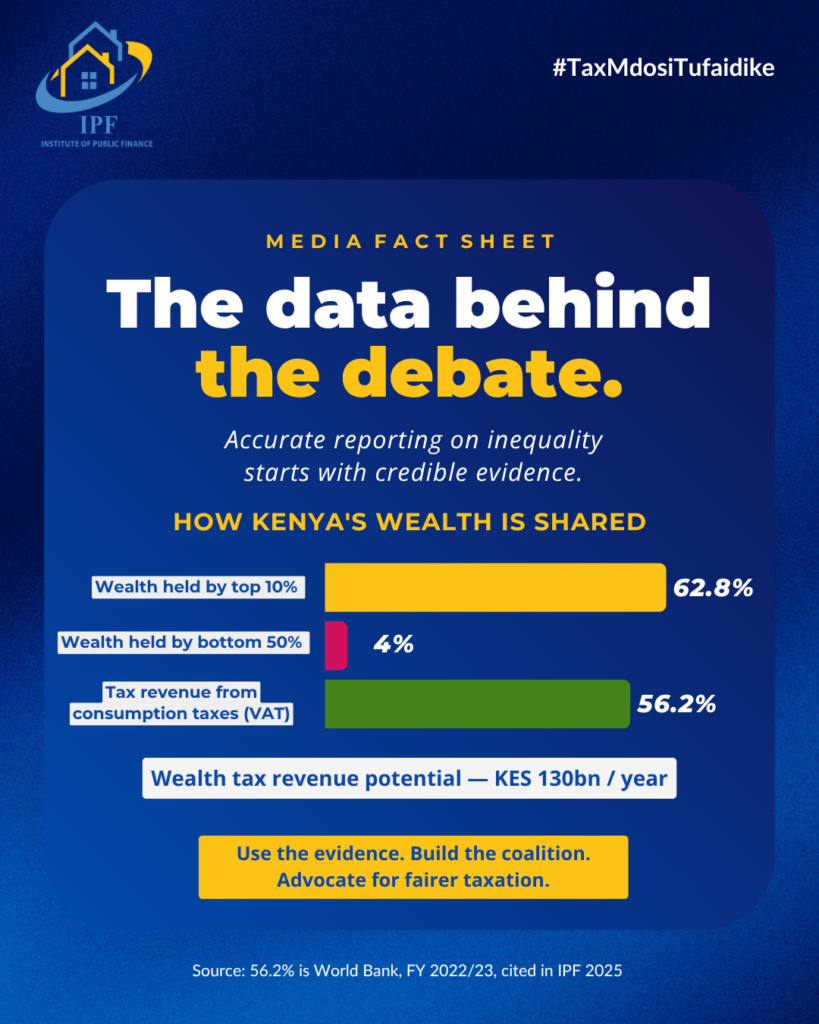
At the same time, wealth and income are increasingly concentrated among a small elite. The top 10% of Kenyans earn nearly half of the national income, while the bottom 50% share just 13.3%. The inequality is even sharper when it comes to wealth: the richest 1% control 28.4% of the country’s wealth, while half the population owns only 4.2%.
This is more than an economic challenge. It is a barrier to opportunity, social justice, and sustainable development. When millions are locked out of access to resources, decent livelihoods, and economic opportunity, inequality becomes a threat to Kenya’s future. Addressing these disparities is essential to building a fairer, more inclusive society where prosperity is shared by all.
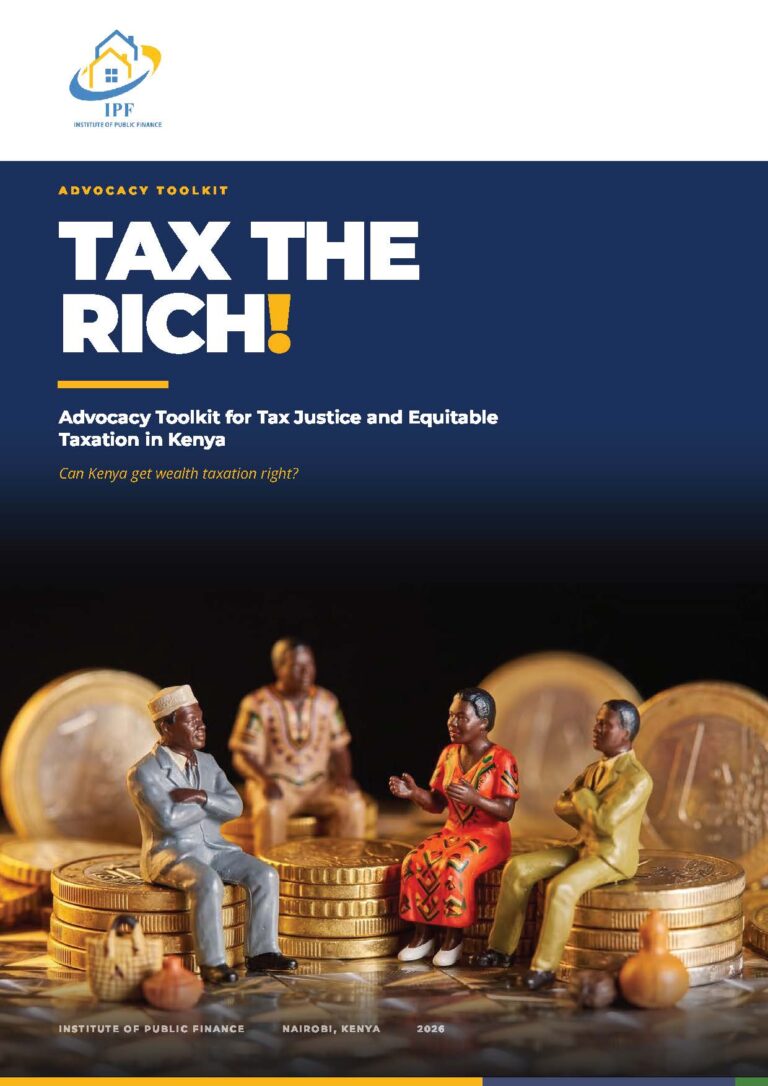
Built on strong evidence and practical advocacy strategies, the toolkit equips users with communication resources, key messages, digital content, and campaign materials that highlight the urgent need to address inequality through progressive taxation and equitable public spending. It enables advocates to engage policymakers, media, and the public with a unified voice and a clear reform agenda.
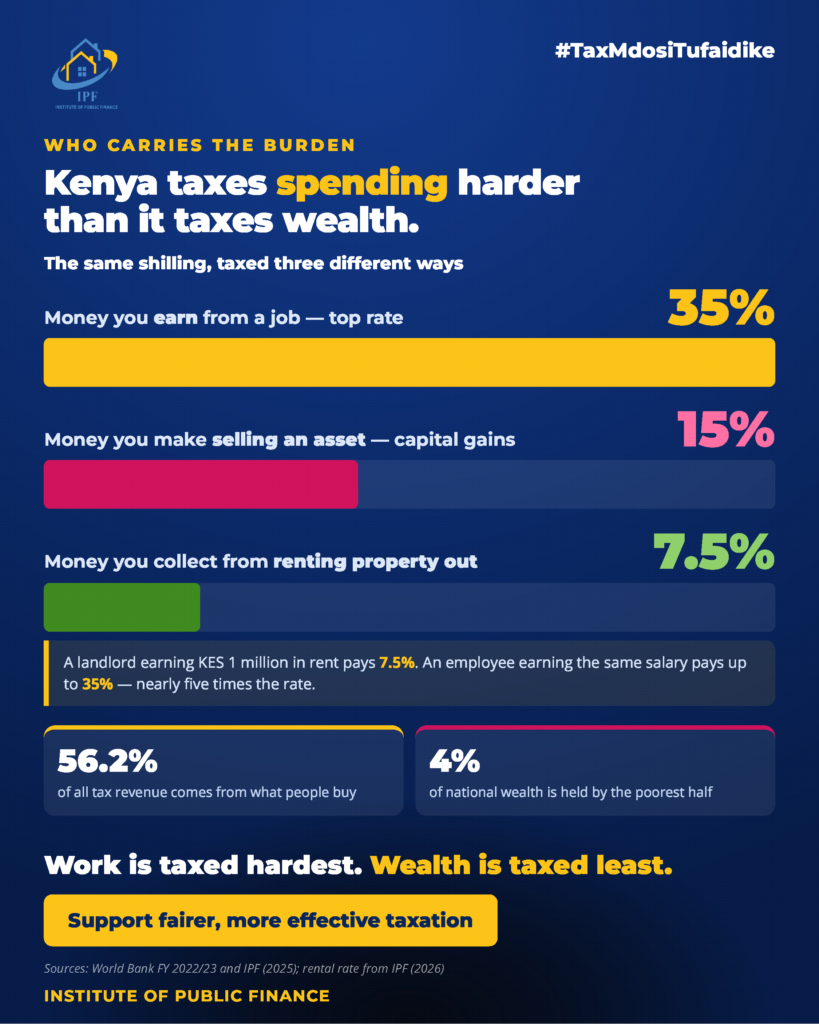
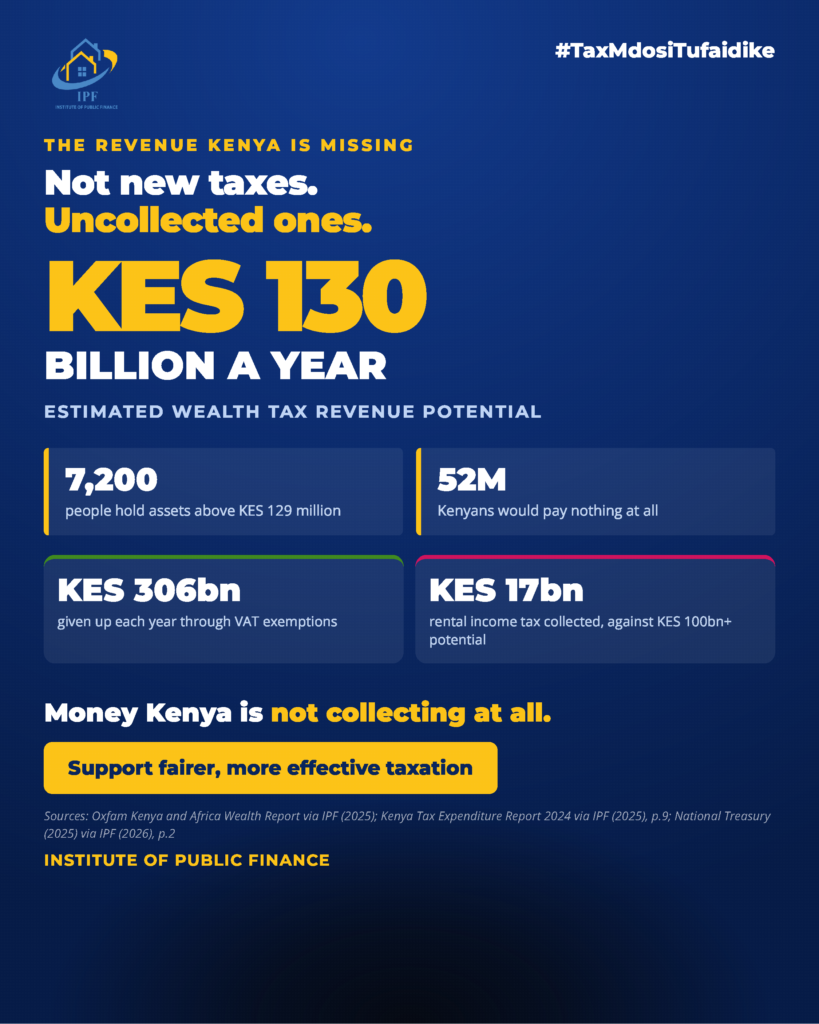
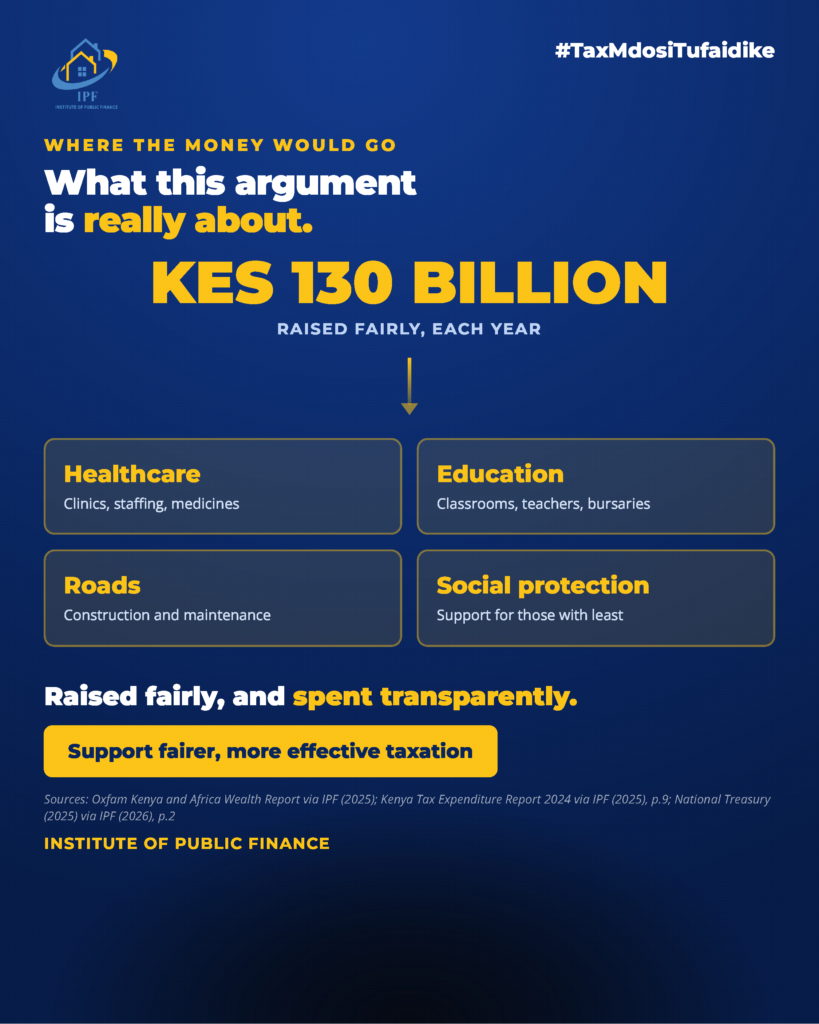
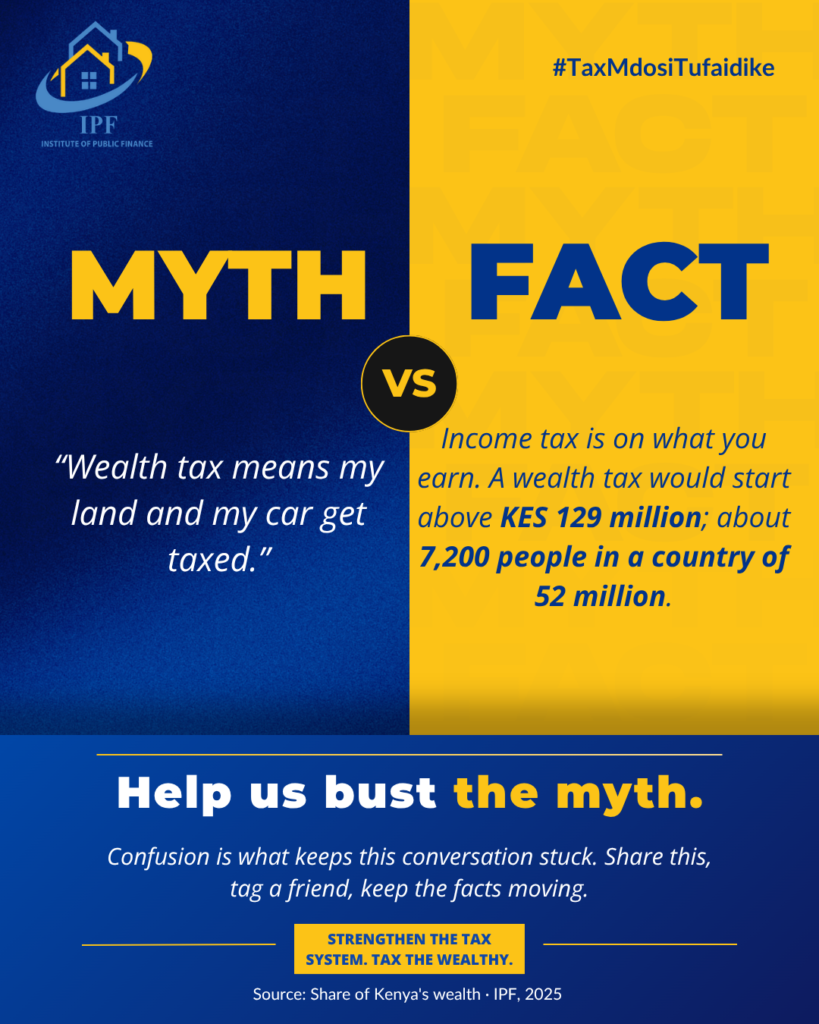
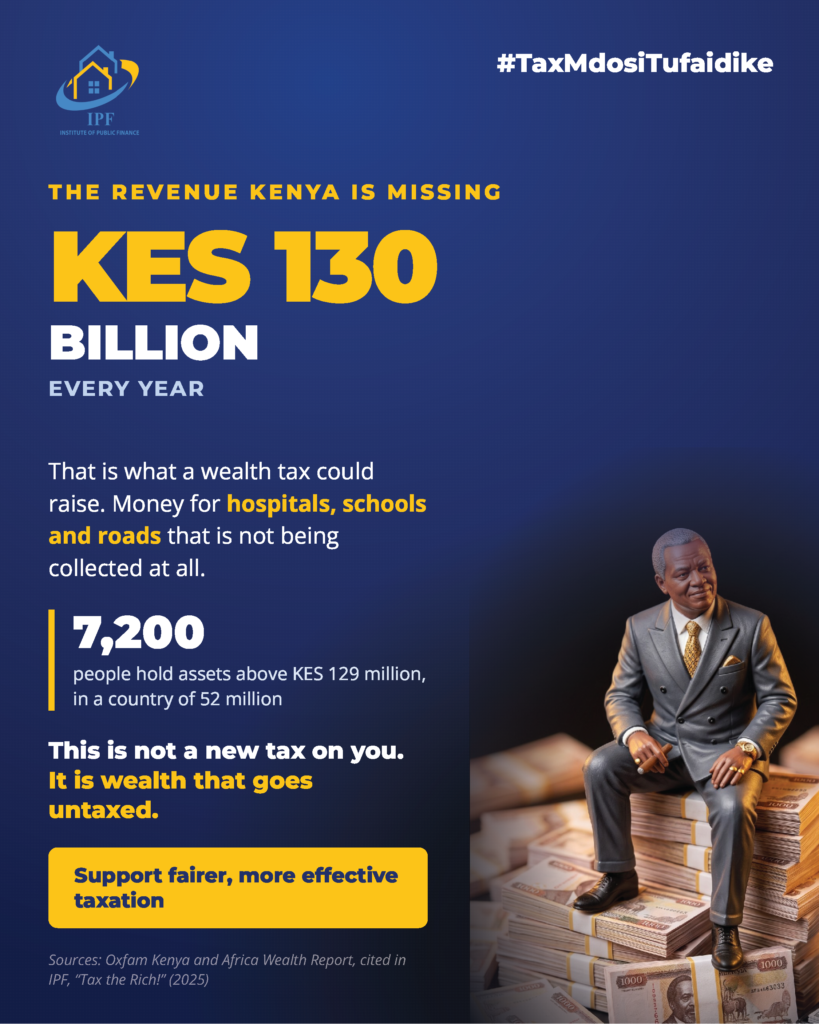
The campaign promotes the principle that economic prosperity should benefit everyone, not just a privileged few. Central to this vision is the advancement of progressive tax policies, particularly wealth taxation, which can help redistribute resources, reduce inequality, and ensure that those with the greatest ability to contribute do so fairly.
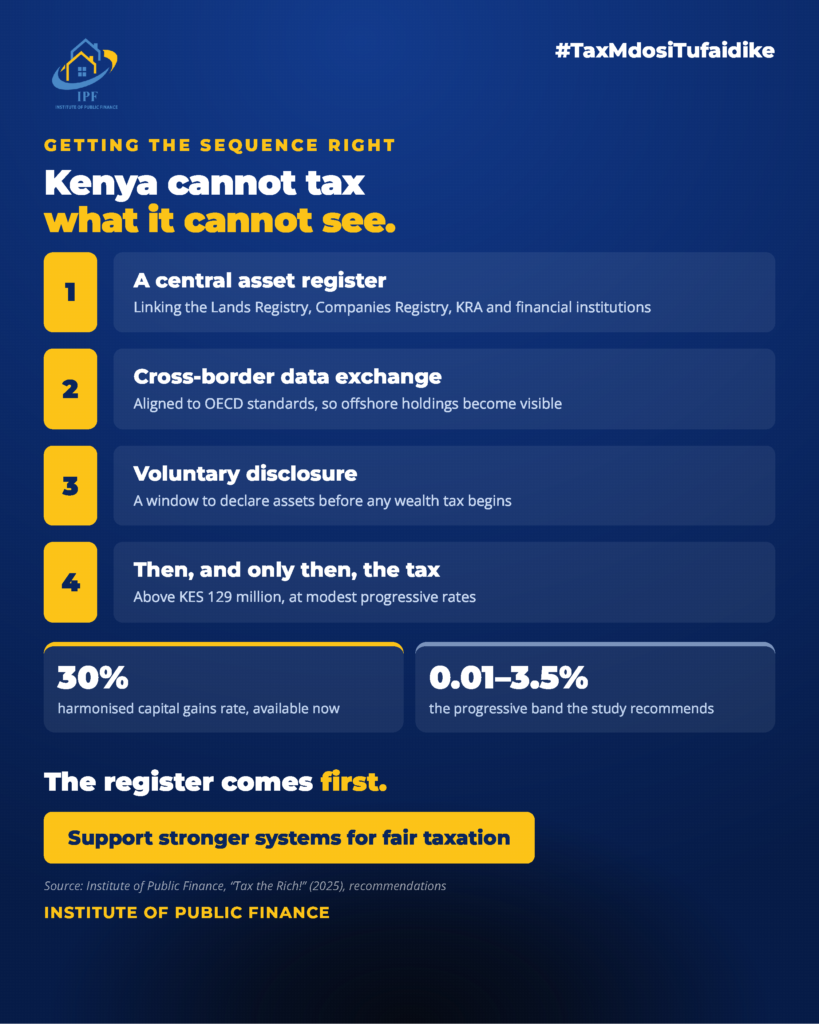
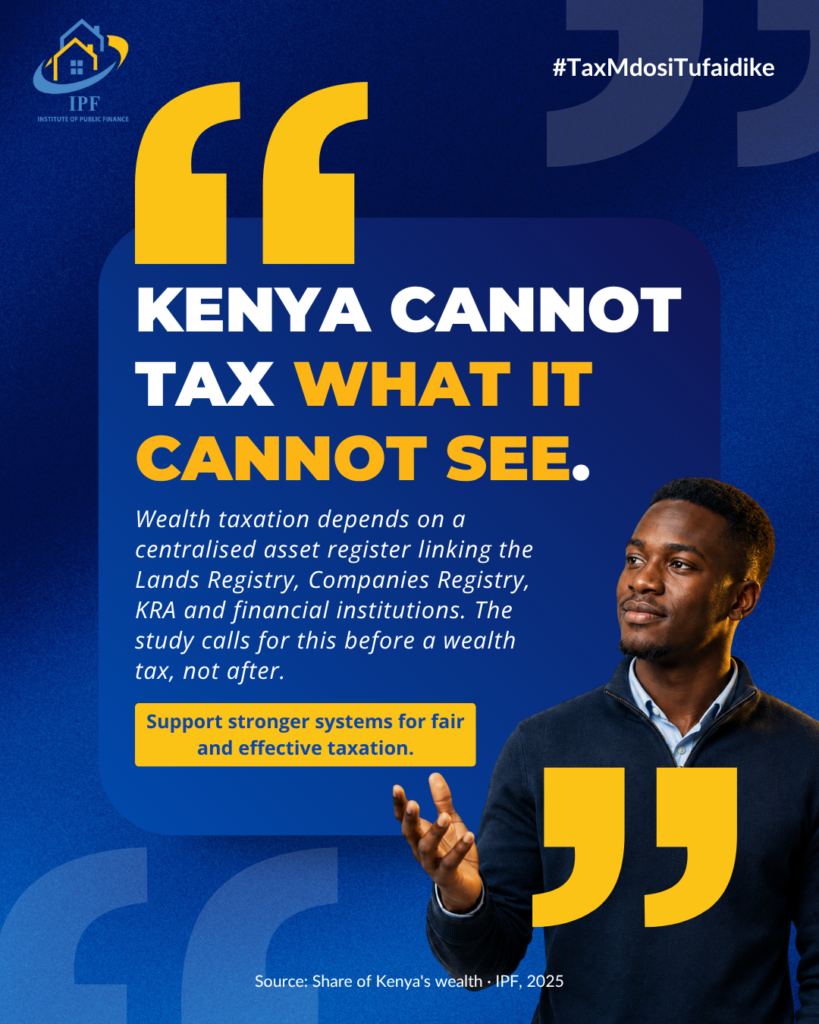
Importantly, the advocacy effort is grounded in evidence. The toolkit draws on findings from the research paper, “Tax the Rich! Can Kenya Get Wealth Taxation Right?”, produced by IPF. The study examines the feasibility and conditions necessary for effective wealth taxation in Kenya, providing a strong foundation for advocacy, public engagement, and policy reform.