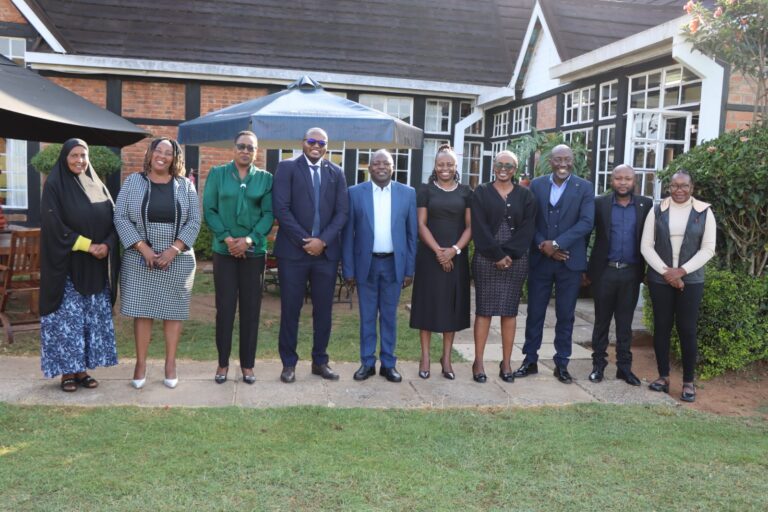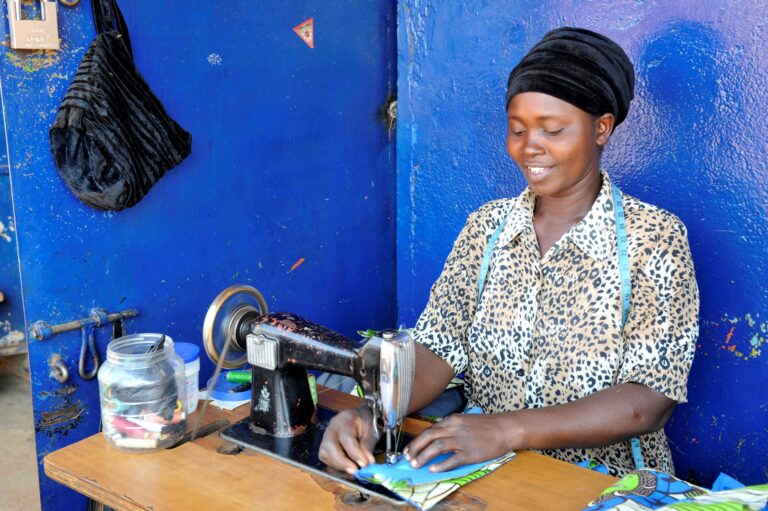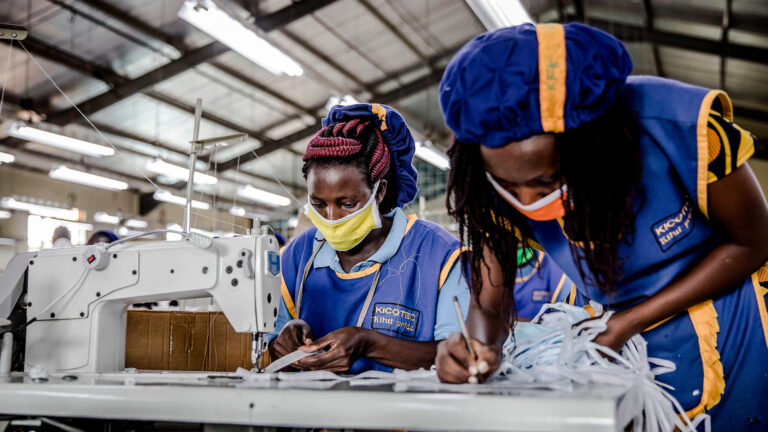
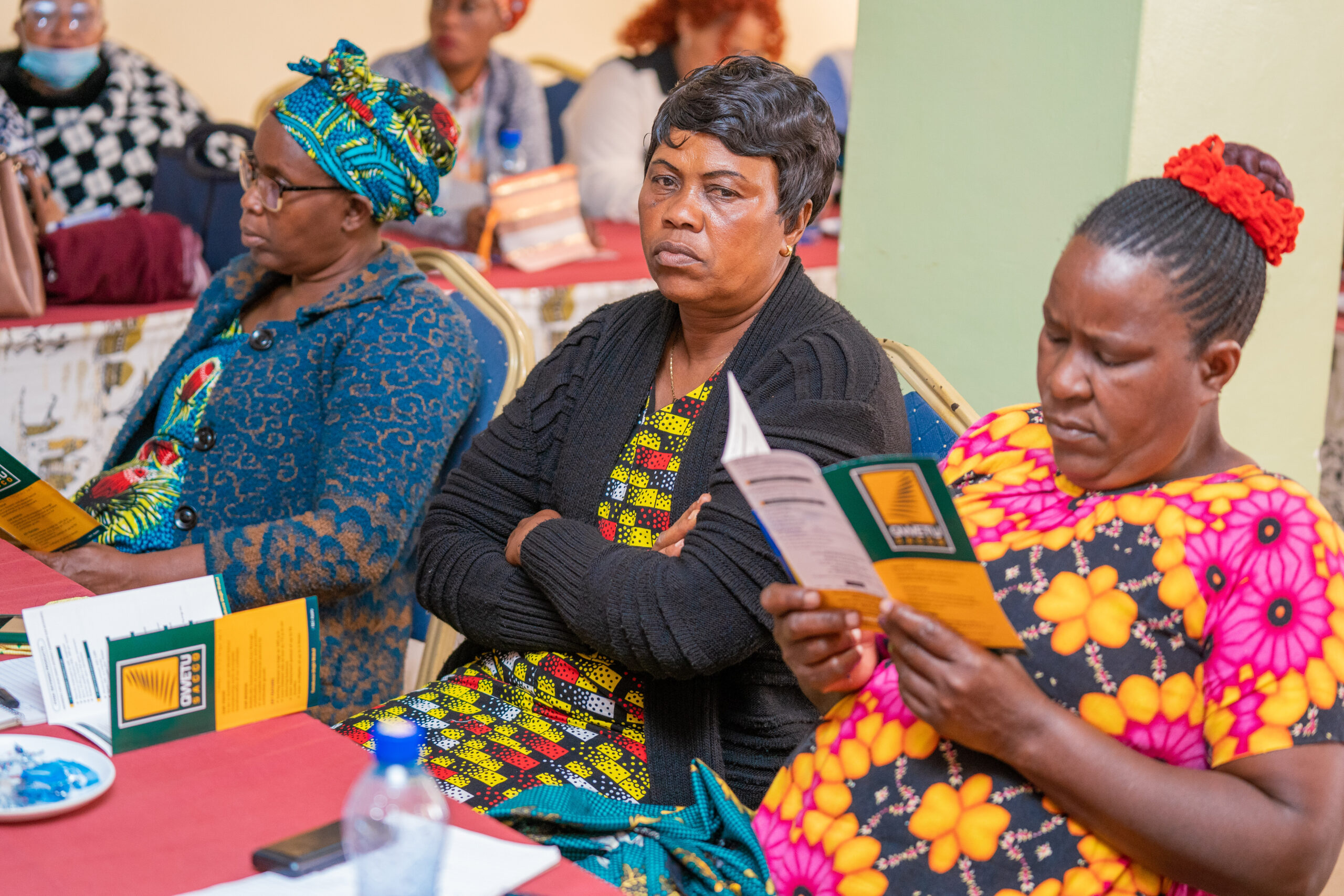
Women’s Economic Empowerment (WEE) is fundamental to inclusive economic growth, stronger public institutions and sustainable development. Yet across Kenya, many women entrepreneurs continue to face structural barriers that limit their participation in the economy despite significant gains in financial inclusion and progressive policy commitments. So far, around 160 women entrepreneurs across 4 counties of Homa Bay, Kitui, Samburu and Taita Taveta have been part of WEE workshops that seek to unlock their potential to grow business and create more opportunities that accelerate economic growth.
Through a strategic partnership with the Kenya Women Parliamentary Association (KEWOPA) a structured mechanism leveraging on women leaders’ grassroots networks is a key driver for the WEE strategy. This is important as it creates a policy link when the women leaders are equipped with evidence, technical capacity and stronger institutional support to influence policies and public investments that improve the lives of women, families and communities.
Many women still lack the financial resources needed to expand and grow their businesses. Kenya’s cabinet approved the National Policy on Women’s Economic Empowerment (NPWEE), which now awaits Parliament’s review, approval, and adoption. Despite this, many women entrepreneurs continue to struggle with limited awareness of government support programs. Across the counties, the challenge of accessing procurement opportunities under the Access to Government Procurement Opportunities (AGPO) framework creates a barrier for many women, and those lucky enough to overcome this are still faced with inadequate access to affordable finance.
“I once got a tender to supply 800 chickens. This was way beyond the capacity I had. Once I was issued with the LPO, I sourced chicken from other chicken farmers in our county and beyond. I was able to supply the entire order and secured a massive profit which I invested back to grow my chicken business.” Highlights a woman during a WEE workshop in Taita Taveta.
The ongoing county engagements create structured platforms where women entrepreneurs interact directly with women legislators, allowing policymakers to better understand the practical realities facing women in business including taxation and regulatory challenges to market access and financing constraints. These conversations help bridge the gap between policy design and lived experience while informing more responsive legislative and budget decisions.
“I hope that the 30 women who have been part of this workshop will go back to their homes, business places and community and use the knowledge and skills to empower more women. On our part as leaders, we shall enact policies that catalyze women participation in business.” Hon. Lydia Haika, Women Representative for Taita Taveta County.
The workshops integrate mentorship and peer-learning opportunities among women entrepreneurs. They gather skills and insights on business growth, leadership development and policy engagement. Inside these spaces, women are encouraged to collectively identify priorities, share experiences and strengthen their voice in shaping economic policies that affect their livelihoods. By connecting policymakers with women entrepreneurs, strengthening fiscal literacy and promoting gender-responsive governance, the WEE workshops are creating an enabling environment where women can participate more fully in Kenya’s economic transformation.
This news update has been authored by Meshack Acholla, Senior Communications & Advocacy Officer, Institute of Public Finance