Kenya’s KSh 4.8 trillion budget for the 2026/27 financial year has redrawn the country’s spending priorities, channeling more money to defence, security and teachers while sharply cutting back on public health, roads and energy. Analysts warn that the choices say as much about the state of the country’s fiscal squeeze as they do about its development ambitions.
Defence and security top the gainers’ list. The Defence programme under the Ministry of Defence secured the single largest increase in the Approved Budget Estimates, with a KSh 21.7 billion boost over the FY 2025/26 supplementary budget. The National Police Service (+KSh 11.4 billion) and the Independent Electoral and Boundaries Commission (+KSh 12.0 billion), the latter to support 2027 general election preparedness, were also among the top winners. The Governance, Justice, Law and Order (GJLO) sector recorded the highest gain relative to the Budget Policy Statement ceilings.
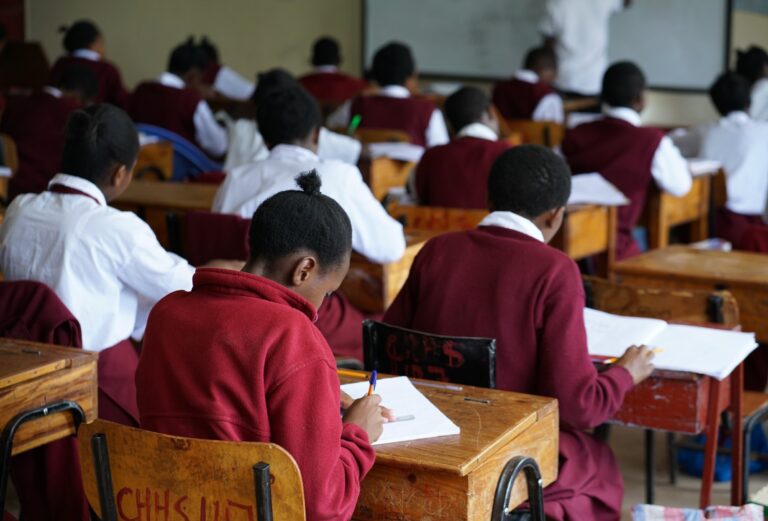
Education and human capital hold their ground. The Teachers Service Commission picked up an additional KSh 12.8 billion for teacher resource management and continues to dominate the education vote, while the State Department for Basic Education added KSh 5.9 billion to secondary education. Public Service and Human Capital Development gained KSh 11.3 billion. For households, that translates into continued state support for classrooms and payroll, even as other social services tighten.
Roads and energy bear the brunt of the cuts. The State Department for Roads lost a striking KSh 25.8 billion, the largest reduction in the budget. Curative and reproductive maternal-child health (RMNCAH) lost a further KSh 10.2 billion. Power transmission and distribution was trimmed by KSh 20.2 billion, and housing development by KSh 14.7 billion. This may reflect the government’s intention to fund development through securitization, PPPs, and privatization.
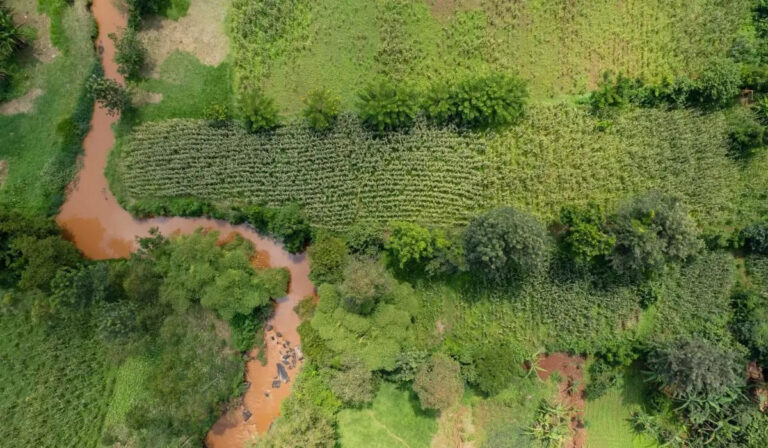
Agriculture sent mixed signals: crop development gained KSh 13.6 billion, while irrigation and agricultural administration were cut by KSh 28.5 billion combined. Funding to social protection remains modest, limiting the coverage for core programmes, including senior citizens and children services.
Counties and social protection lag. The equitable share to counties was nudged up to KSh 428 billion, a modest increase from the Ksh 420 billion after negotiations between the Senate and the National Assembly, while the Equalization Fund continues to suffer persistent disbursement arrears.
Why it matters. Behind the reshuffle lies a tightening fiscal noose. Public debt interest payments alone are projected at KSh 1,254.2 billion, and the present value of debt-to-GDP stands at 65.7 percent, well above the 55 percent threshold.
A core concern is the fact that Kenya’s FY 2026/27 budget pegs total revenue at KSh 3,629.7 billion, a KSh 96 billion upward revision from the Approved BPS 2026 target of KSh 3,533.7 billion, a target widely viewed as overly ambitious given the country’s track record of persistent revenue shortfalls. A more realistic benchmark, assuming average revenue growth of about 8%, would put ordinary revenue closer to KSh 2,822.9 billion compared to the current projection of KSh 2,985.7. If the collections fall short, the KSh 1,171.5 billion fiscal deficit will widen, borrowing will increase, and the debt-service burden already crowding out spending on health, roads and social protection will tighten further.
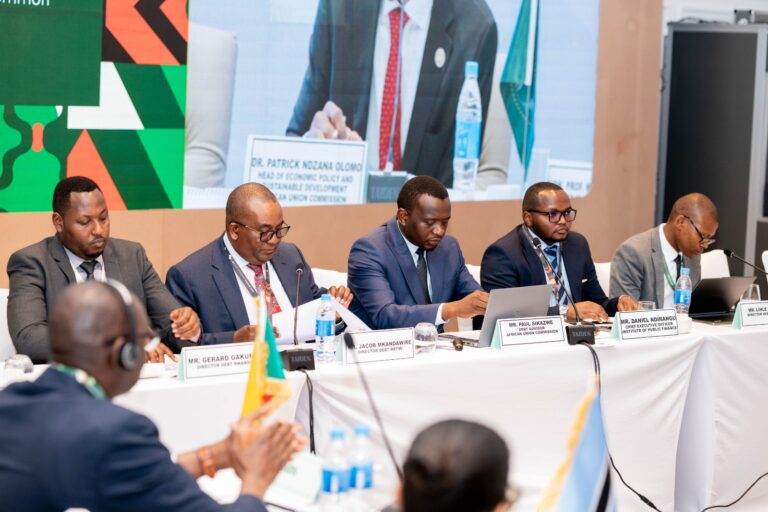
This blog has been authored by Daniel Ndirangu, Chief Executive Officer (CEO) at the Institute of Public Finance