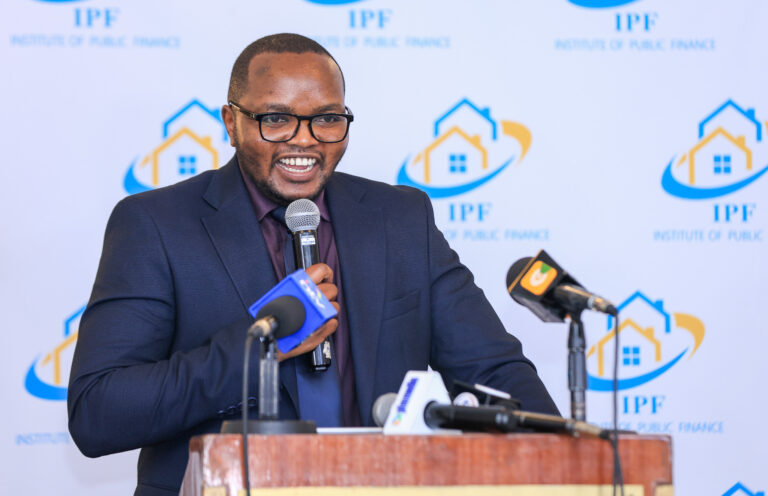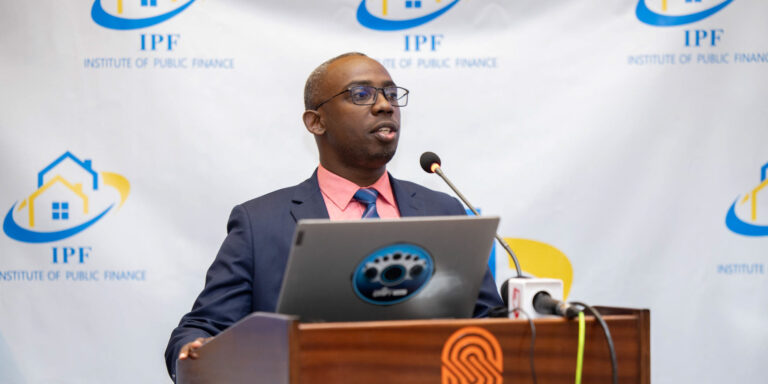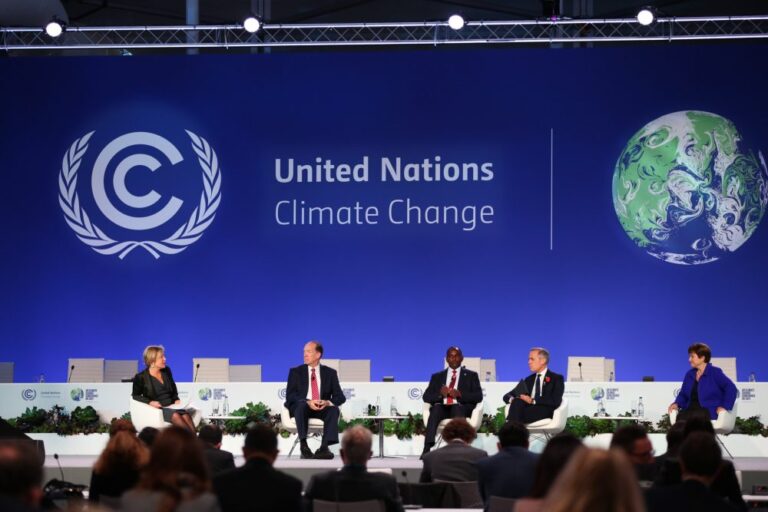
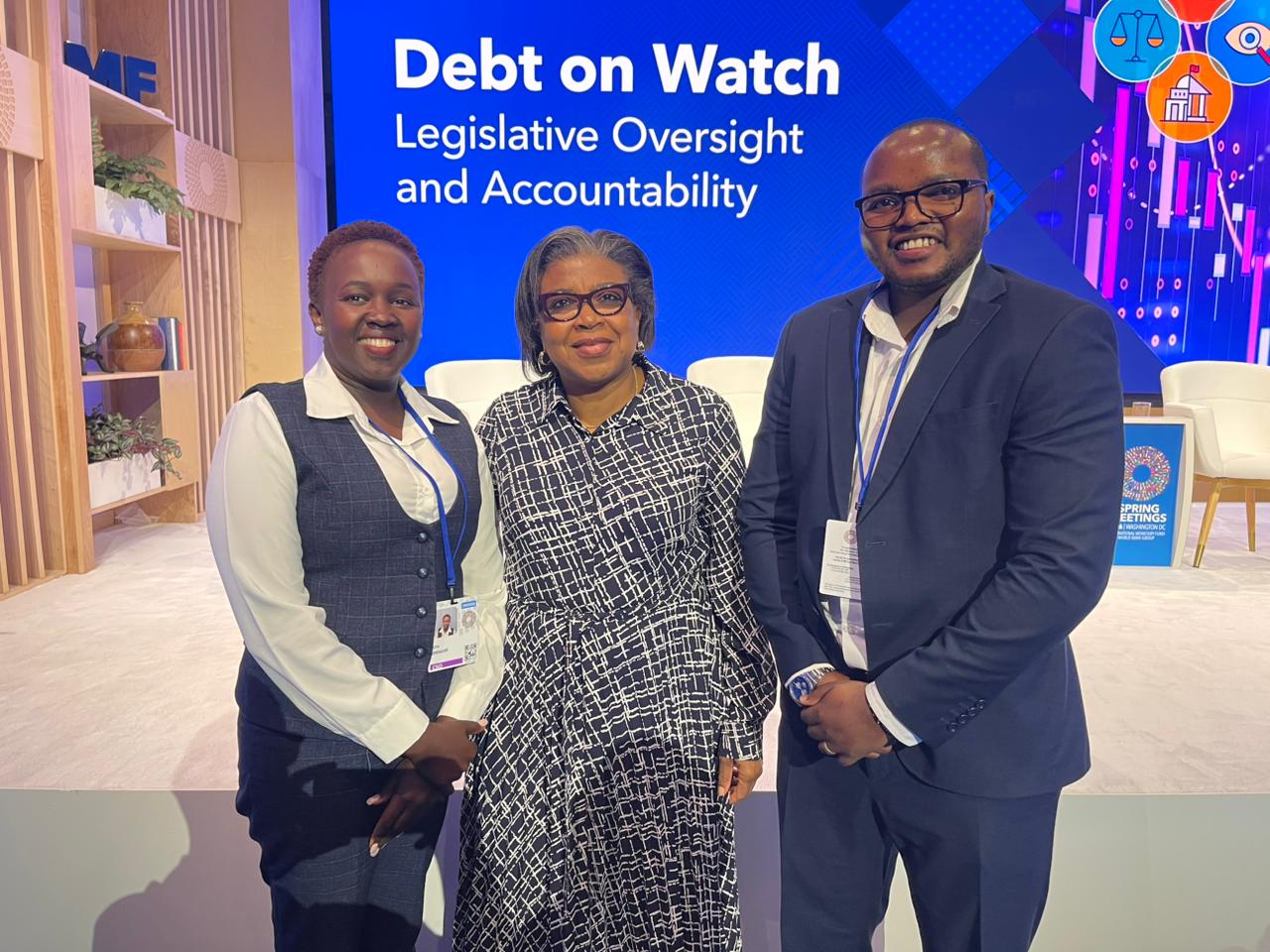
The Institute of Public Finance (IPF) is participating in the 2026 IMF and World Bank Spring Meetings in Washington, D.C. Globally we have recorded‑high global debt levels, which have sharpened attention on the governance architecture underpinning public borrowing. As global public debt approaches 100 percent of GDP, IPF has joined legislators, multilateral institutions and civil society actors in calling for a structural rethink of how debt is negotiated, approved, and overseen, particularly in emerging and developing economies.
At the center of these deliberations was the high‑level panel “Debt on Watch: Legislative Oversight and Accountability in the Age of Record Debt”, which highlighted a persistent governance gap: parliaments hold legal authority over public borrowing, yet are routinely excluded from the formative stages of debt negotiations.
Beyond Legal Authority: The Implementation Deficit
IPF’s contribution to the Spring Meetings emphasized that the challenge facing debt governance today is not the absence of laws, but the failure to operationalize oversight across the full debt cycle, from authorization to execution and accountability.
“The cutting problem is the follow‑up of audit recommendations,” said Dan Ndirangu, Chief Executive Officer at IPF.
“We see good audit work across many jurisdictions, but without legal consequences or mandatory parliamentary action, those findings rarely translate into corrective measures.”
This implementation gap is particularly acute as governments increasingly rely on non‑traditional debt instruments, including securitized debt, public‑private partnerships (PPPs), state‑owned enterprise liabilities and resource‑backed loans, which often fall outside standard reporting frameworks and parliamentary scrutiny.
Hidden Liabilities and Emerging Fiscal Risks
IPF stressed that contingent and continuing liabilities now represent one of the most under‑regulated sources of fiscal risk. These obligations are frequently discussed in isolation, rather than assessed as part of a consolidated debt risk profile, leaving policymakers and citizens exposed to sudden fiscal shocks.
“We need to put frameworks in place right now for resource‑based lending.” noted Ruth Kendagor Director, Global Partnerships at IPF.
“These instruments are becoming more prevalent, yet they are largely absent from debt oversight frameworks—especially as geopolitical shocks intensify pressure on commodity‑linked financing.”
Kendagor further argued that repeated donor‑funded training programs have yielded diminishing returns, calling instead for institutionalized oversight tools.
“Capacity building cannot remain a revolving door of workshops,” she added.
“What is missing are practical tools, checklists, benchmarks, and debt review frameworks, that legislators, parliamentary staff, and citizens can consistently use to guide decision‑making.”
Parliamentary Voice: Kenya’s Reform Agenda
From a legislative perspective, Hon. Samuel Atandi, Chairperson of Kenya’s National Assembly Budget and Appropriations Committee, delivered a pointed critique of current engagement practices by multilateral lenders.
“The World Bank and the IMF engage more with the executive, and less often with parliament,” Hon. Atandi observed.
“This leaves elected representatives approving loans they never saw negotiated, yet citizens hold parliament accountable for the outcome.”
He called for mandatory prior parliamentary approval thresholds for large loans and formalized briefings by lenders to parliamentary committees before loan terms are finalized.
IPF’s Policy Position
IPF’s position at the Spring Meetings is clear: public debt is not merely a macroeconomic variable, it is a democratic contract. Effective debt governance requires enforceable legal frameworks, timely and comprehensive disclosure, credible audit follow‑up, and structured engagement between multilateral lenders and legislatures. As debt instruments grow more complex, IPF argues that restoring fiscal credibility will depend less on technical fixes and more on re‑anchoring borrowing decisions within accountable, representative institutions.